English
 中文简体
 Français
 Español
 عربى



CPG Labels Explained: A Packaging Manufacturer's Guide for Consumer Brands
Walk through any supermarket or pharmacy aisle, and the products competing for your attention share one thing in common: a well-thought-out label. CPG labels — the printed face of consumer packaged goods — do far more than identify a product. They inform, reassure, persuade, and legally protect both the brand and the buyer. As a manufacturer of cosmetic and personal care packaging, we think about labels every day, because a label only works when it meets the right container. This guide shares what we have learned from producing thousands of cream jars, lotion bottles, and perfume containers for brands around the world.
What Are CPG Labels and Why Do They Matter?
CPG stands for consumer packaged goods: the everyday items we buy in packaging, from skincare creams and shampoos to beverages and household cleaners. A CPG label is the printed information attached to the container, and it carries responsibilities that go well beyond looks.
- Product identification: The label tells the shopper what the product is, what it does, and who made it.
- Regulatory compliance: Mandatory statements, such as ingredient lists, net contents, and warnings, keep the product legal in its market.
- Brand communication: Color, typography, and imagery create recognition and convey the product's personality in a split second.
- Consumer education: Usage directions, storage advice, and date markings help people get the best result from the product.
A well-designed label can make a quality product feel premium, while a poorly designed one can undermine even the best formulation. That is why successful brands treat the label as an integral part of the packaging development process, not an afterthought.
The Label–Surface Relationship: Matching Labels to Container Materials
Not every label sticks equally well to every container. The material of your packaging has a direct influence on label adhesion, durability, and appearance. Over the years, we have seen labels fail because the surface was not suited to the label stock or adhesive chosen for the job.
| Material | Label Considerations | Typical CPG Use |
|---|---|---|
| Glass | Excellent adhesion for most labels; allows clear visibility of contents | Perfume, premium skincare, beverages |
| Acrylic (PMMA) | Smooth, high-gloss surface; takes pressure-sensitive labels well | High-end cream jars, lotion bottles |
| PP (Polypropylene) | Low surface energy; requires flame or corona treatment for reliable adhesion | Skincare jars, baby care bottles |
| PET / HDPE | Good label compatibility; often used with shrink sleeves or wrap-around labels | Shampoos, liquid soaps, household goods |
Choosing a label format
The container surface also determines which label format suits the product best:
- Pressure-sensitive labels are versatile and cost-effective for medium runs, and they apply easily to flat or gently curved panels.
- Shrink sleeves wrap tightly around curved or irregular shapes and offer 360 degrees of print space.
- In-mold labels become part of the container during molding; they feel premium but require dedicated molds and higher volumes.
- Direct printing — screen or pad printing — is a common choice for glass perfume bottles and minimalist jars.
If you are comparing materials, our guide to choosing the right plastic jar material explains the trade-offs between acrylic, PP, and other resins in more detail.
For brands that want a smooth, glossy canvas for pressure-sensitive labels, our DPA002 high-end round acrylic cream jar is one of the most requested containers in our range: the polished surface holds crisp graphic labels while letting the texture and color of the product show through.
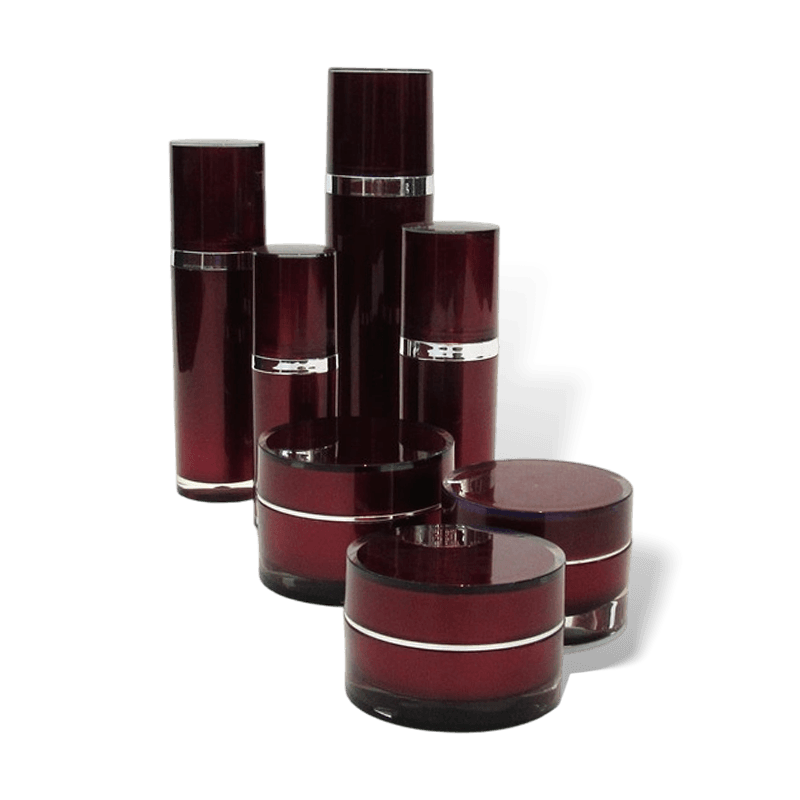 High-End Round Acrylic Cream Jar with Custom Labeling OptionsThis polished acrylic jar offers a smooth surface for crisp front-of-package labels, ideal for brands highlighting key product benefits.View Product →
Front-of-Package Labeling: Making the First Conversation Count
Front-of-package (FOP) labeling is the space shoppers see first, and it has become a discipline of its own in the CPG world. Many brands use the front label not just for the brand name, but also for quick functional or nutritional highlights: calories, protein, "no parabens," "vegan," or "dermatologist tested."
For cosmetics and personal care products, the front label usually carries:
- The brand and product name in a clear visual hierarchy
- The net content, stated as weight or volume
- One or two hero claims, such as "24-hour hydration" or "SPF 50"
- A visual cue that communicates texture, scent, or skin benefit
Keep the front label uncluttered. When every square millimeter is filled with claims and icons, the shopper's eye has nowhere to rest and trust erodes. Reserve detailed ingredient information and usage instructions for the back label, where there is room for the full story.
Regulatory Compliance: Keeping Label Copy Correct and Current
Regulatory statement control is one of the less glamorous but most critical parts of CPG labeling. A label that fails to meet local requirements can be rejected at the retailer, fined by an authority, or recalled after launch. The stakes are high, and the rules vary by category and destination market.
A few principles apply across nearly every market:
- Ingredient declaration. Cosmetics must list ingredients in descending order of concentration using standardized names; food products require nutrition facts panels.
- Net quantity. Weight, volume, or count must be stated accurately, with the correct units for the destination market.
- Manufacturer information. The responsible party's name and address must appear somewhere on the label.
- Warnings and date marks. Aerosols, allergens, and certain active ingredients need explicit caution statements, while food products need accurate "Best If Used By" or "Use By" dates.
The consumer brands industry has streamlined date labeling to these two standardized phrases to reduce confusion and food waste. Adopting that convention signals that your brand is transparent and consumer-friendly — a detail that shoppers do notice and regulators appreciate.
Clean Label Trends: Transparency from Formulation to Packaging
The clean label movement has moved from niche to mainstream. Shoppers increasingly read ingredient lists and question unfamiliar additives, so CPG brands are reformulating toward shorter, more recognizable ingredient decks. But clean label does not stop at the formulation; the packaging has to support the story.
Transparent containers are a natural fit for the clean label aesthetic because they let the product's true color and texture speak for themselves. A simple white label on a clear jar suggests honesty, while a heavily decorated opaque container tends to suggest the opposite. This is especially true in baby and sensitive-skin care, where parents look for minimal, gentle ingredients and packaging that feels safe and honest.
For clean label skincare lines, we often recommend our 50g baby care round plastic bottle: a simple, functional PP container that pairs naturally with clear labeling and reassures consumers who want straightforward packaging.
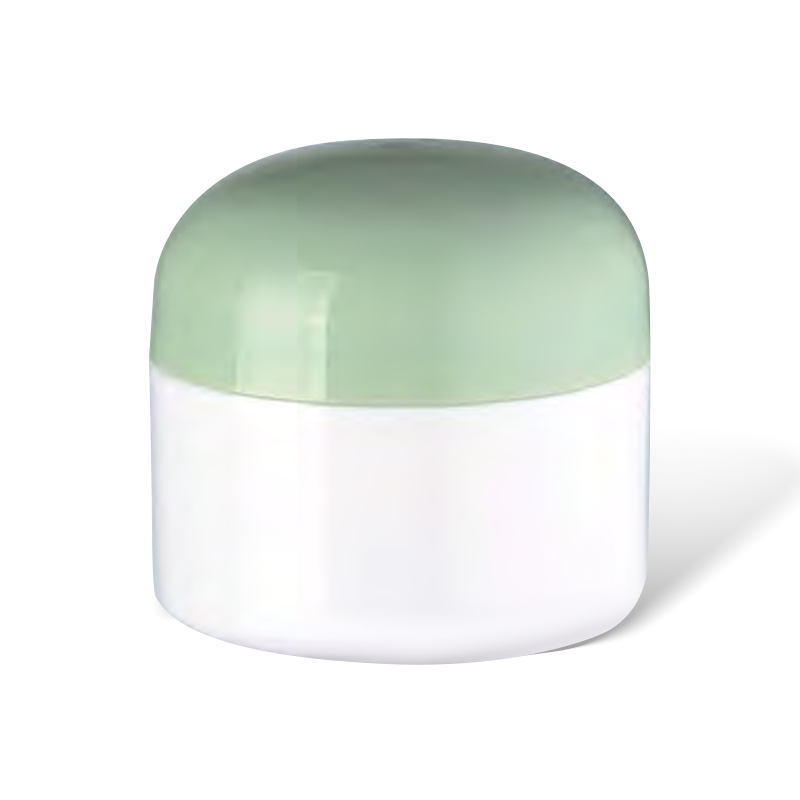 Eco-Friendly PP Round Bottle for Baby Care and Clean LabelsA simple, non-toxic PP bottle with a pebble-like shape, perfect for clean label skincare lines seeking straightforward, reassuring packaging.View Product →
Beyond the visual, the packaging material itself is part of the clean label conversation. Recyclable plastics, reduced material usage, and refillable formats are all becoming label-worthy attributes in their own right, adding claims that resonate with the same audience that reads ingredient lists.
How the Right Container Makes Labels Work Harder
Labels do not exist in isolation; the container defines the space they occupy and the surface they stick to. During package development, we encourage brands to think about the label at the same time as the bottle or jar, not after the mold is already cut.
Give the label a clear canvas
A flat or gently curved panel gives the label room to sit without wrinkling or lifting at the edges. Deeply textured or heavily ribbed surfaces can look striking on the shelf, but they make pressure-sensitive labels difficult to apply neatly and can cause edge lifting over time.
Plan for filling and capping tolerances
Labels need predictable placement. If the filling line and capping processes vary, a wrap-around label may shift in position. Designing a defined label recess or panel area on the container helps keep the graphic aligned and the application consistent.
Creative shapes can anchor creative labels
Creative packaging does not have to abandon labels. Our fruit-shaped cream jars, for example, use small curved panels designed to accept a compact label without interrupting the novelty shape. The label becomes part of the design rather than an obstacle to it.
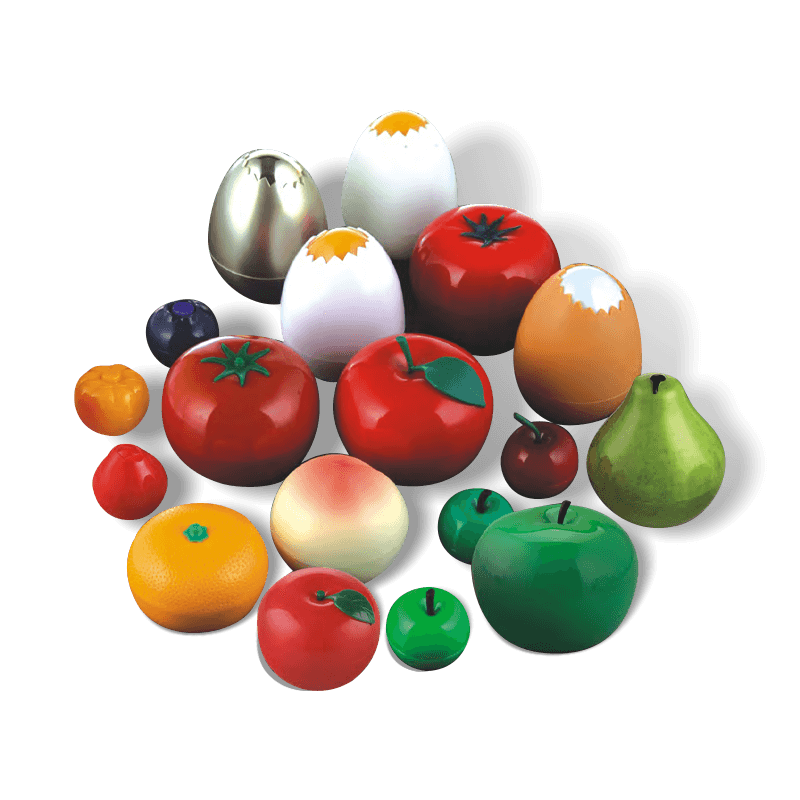 Creative Cherry-Shaped Cream Jar with Label-Friendly Curved PanelsThis novelty jar integrates compact labels into its playful design, combining visual appeal with practical branding for premium skincare products.View Product →
This is where an experienced packaging partner pays off. We can tell you early in the process whether your preferred label format — pressure-sensitive, shrink sleeve, in-mold, or direct print — will work with the container you have in mind, and we can adapt the design accordingly.
CPG labels are much more than stickers on a bottle; they are the point where your product, your customer, and the regulations of your market meet. Getting them right means choosing the right container, planning the label surface, staying compliant, and telling a clear story. With the right packaging partner, that process becomes far more manageable.
Every empty jar and bottle we produce is designed with your label in mind — the material, the shape, the surface, and the space it leaves for your message. If you are developing a new product or relabeling an existing one, our team would be glad to talk through the options and share what has worked for brands like yours.
-
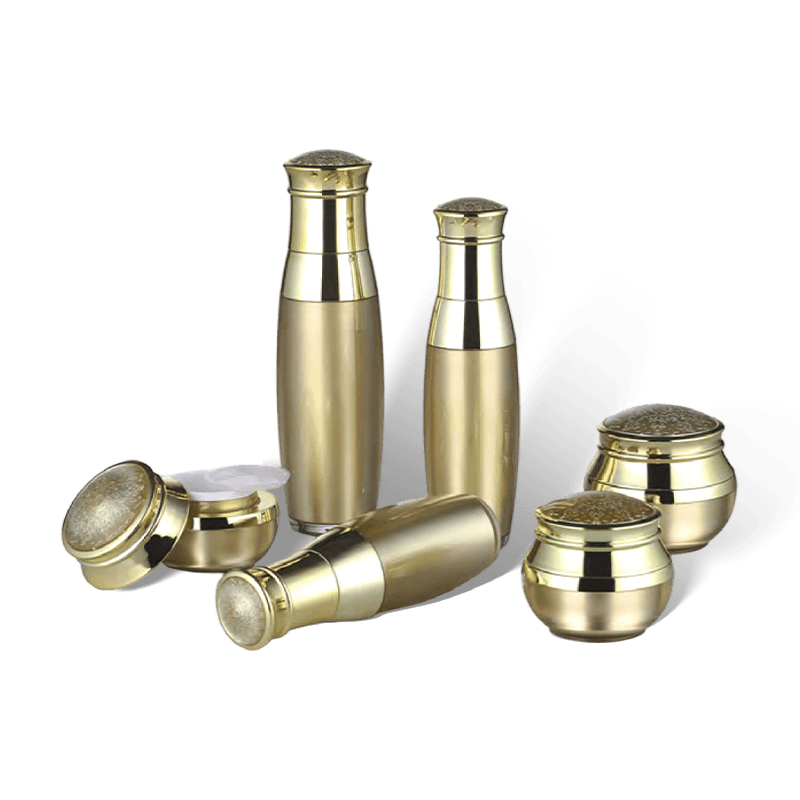 DP-A-021 50g/30g/20g Skin Whitening Cream Packaging Cosmetic Jars
-
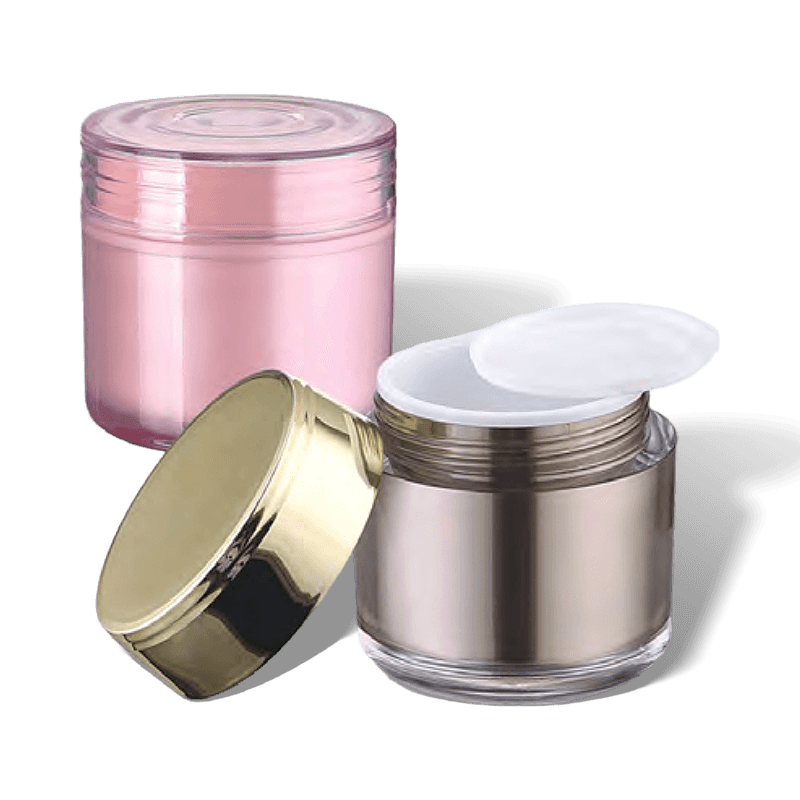 DP-A-009 Body Cream Jar 80ml Container 70ml Cosmetic Packaging Body Butter Plastic Jar
-
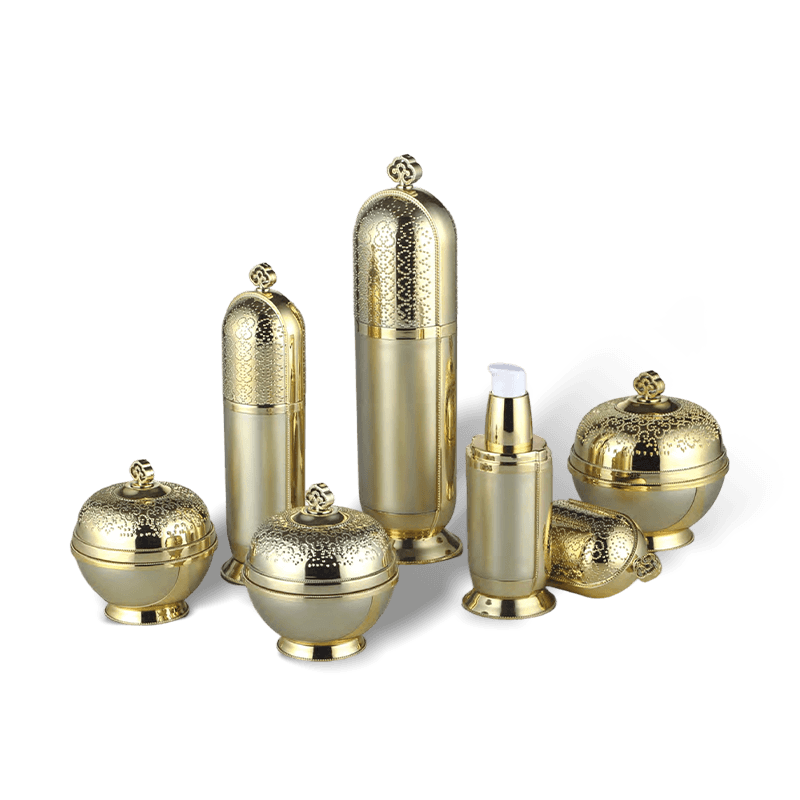 DP-A-018 Acrylic jars for whitening and anti-aging cosmetic creams
-
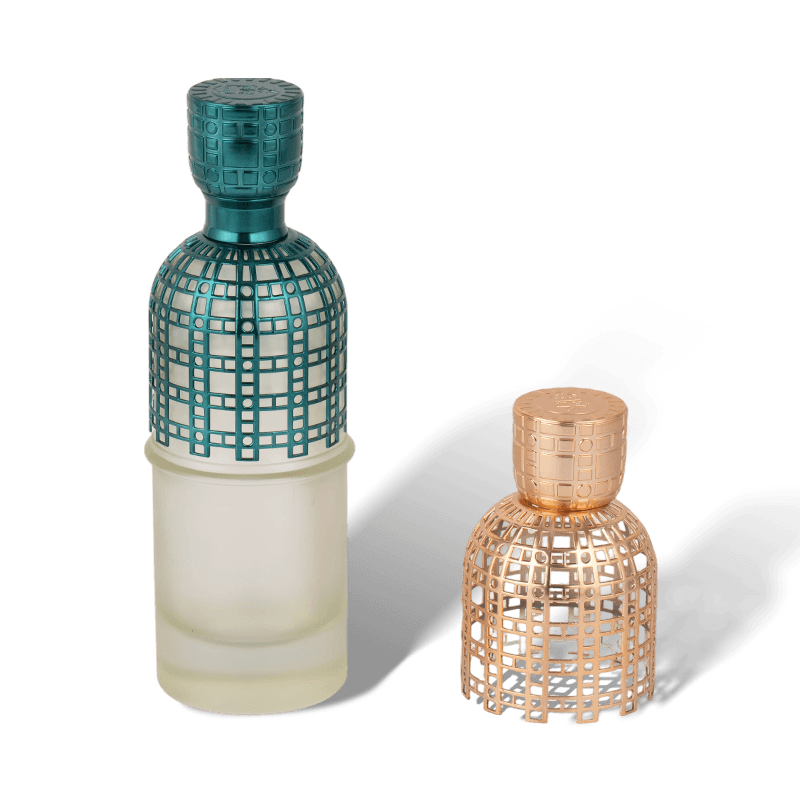 Gold 200ml/100ml/50ml/30ml Empty Arabic Dubai Glass Luxury Perfume Bottles
-
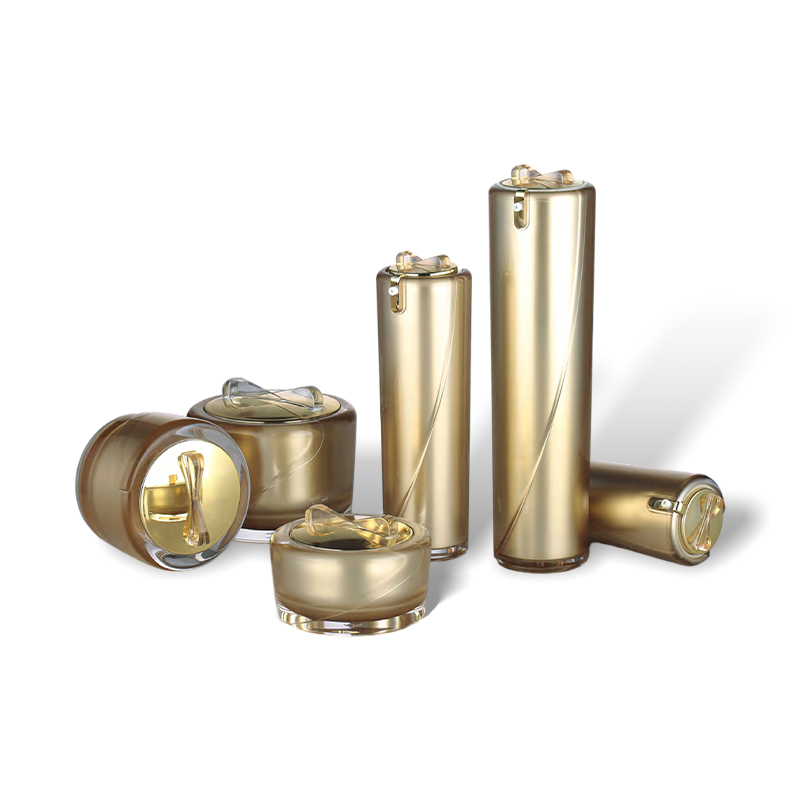 DP-A-020 120ml Green Acrylic Cream Bottle 50g Blue Acrylic Cosmetic Container 50ml Acrylic Jar and Bottles
-
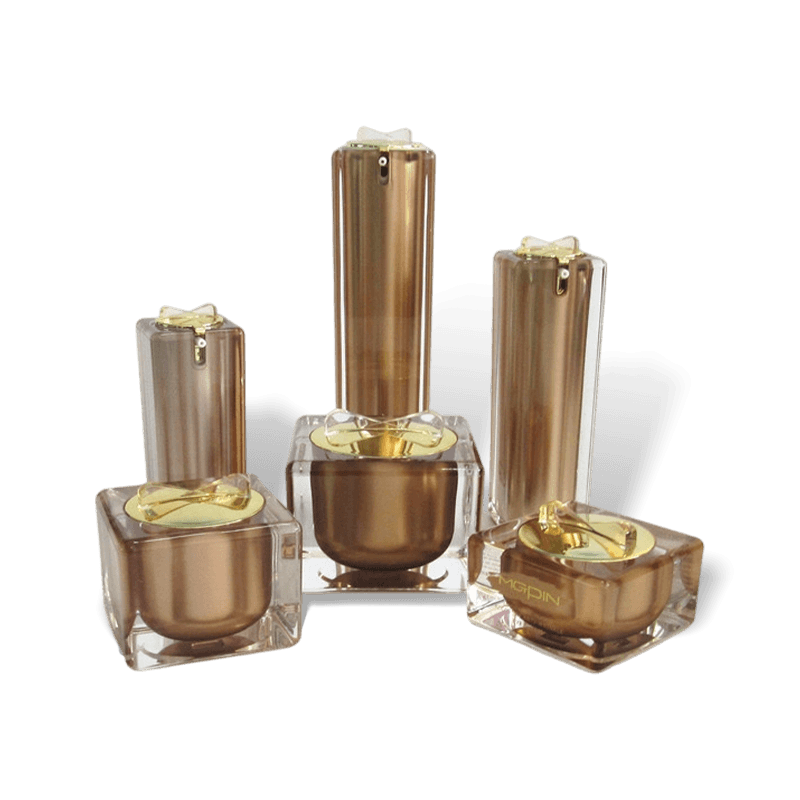 DP-A-019 50g/30g/15g plastic empty jars cosmetic cream jars
- +86 13968274500
- +86 13764345885
- ysgl@vip.163.com
- No. 10-18, Gaoxiakeng, Dongputou Village, Zhangqi Town