English
 中文简体
 Français
 Español
 عربى



CPG Packaging Design for Beauty Brands: Structure, Material, Shelf Appeal
Walk down the personal care aisle of any store and you can usually tell, within a few seconds, which brands have thought carefully about CPG packaging design and which have not. The packs that work feel considered: the jar sits comfortably in the hand, the front panel is legible from arm's length, and the cap finish matches the story the label is telling. Very little of that happens in a design file alone.
We are DEPRAG Plastic Products, a container manufacturer based in Cixi, Zhejiang, where we produce acrylic cream jars, PP bottles, shaped cream jars, glass perfume bottles and small cosmetic storage cases. Sitting on the manufacturing side means we see packaging design twice: once as a sketch from a brand team, and again as a molded, decorated, boxed product that has to survive real shipping. This article is what that double view has taught us.
What CPG Packaging Design Actually Covers
CPG packaging design is the work of turning a product's value into a physical, shelf-ready object. In beauty and personal care, that work happens on four layers, and they are rarely independent of one another:
- Structure: the format itself, whether that is a cream jar, a lotion bottle, a spray or a storage case.
- Material: acrylic, PP, glass or a blend, each carrying a different weight, feel and cost profile.
- Decoration: hot stamping, printing, UV coating, labels and cap finishes that carry the brand.
- Function: how the pack dispenses, seals, travels, stores and protects the formula inside.
Three habits keep those layers aligned. Design the system, not a single SKU, so that a family of sizes reads as one brand on the shelf. Solve for the shelf before the screen, because a beautiful rendering still has to win attention in a crowded aisle. And treat structure and graphics as one decision, since a cap you cannot decorate affordably will undo excellent artwork.
Start With the Shelf, Then Design the Artwork
Shoppers scan before they read. The strongest CPG packs are therefore built around a blocked-out silhouette, a clear brand mark and one obvious category cue: a moisturizer should still look like a moisturizer, even when the design is original. In skincare, the lid and the shoulder of the jar are prime real estate. They are what a shopper sees from above, and often the only surface visible when a product sits shoulder to shoulder with its neighbours.
Practical questions we ask brand teams early in a project: does the pack need to stand out against mostly matte competitors or mostly glossy ones? Is the price tier communicated by weight, transparency or metal-finish accents? And how much of the front panel is doing work that a better shape could do instead?
Structure and Material: Where Design Meets Manufacturing
Material choice is the decision that most often gets made last and matters most. A 50g cream can arrive in a thick-wall acrylic jar that catches light like glass, a lighter PP jar that keeps cost and shipping weight down, or a shaped container that nothing else on the shelf resembles. Each route changes decoration options, filling behaviour and unit economics.
| Material | Typical formats | Design strengths | Points to watch |
|---|---|---|---|
| Acrylic (PMMA) | Cream jars and bottles, 15ml to 120ml | Glass-like clarity, pleasant weight, premium hand feel | Higher unit cost; decoration must suit a smooth, glossy surface |
| PP | Round jars and bottles, 20g to 180g | Light, tough, good for baby care and value ranges; prints easily | Feels less premium; limited clarity |
| Glass | Perfume bottles and sprays, 30ml to 200ml | Premium fragrance feel, recyclable options, wide shape range | Heavier shipping weight; breakage and neck tolerance need attention |
| ABS and blends | Shaped jars, caps and closures | Frees you from round geometry; strong for novelty and gift sets | Higher mold investment and longer tooling lead time |
The table is a simplification, but the direction holds: choose the material for the job the pack has to do, not for the rendering that looks best on a monitor. If you are weighing options for a specific formula, our notes on which plastic cosmetic jar material and format suits a given content go deeper into compatibility, wall thickness and finishing.
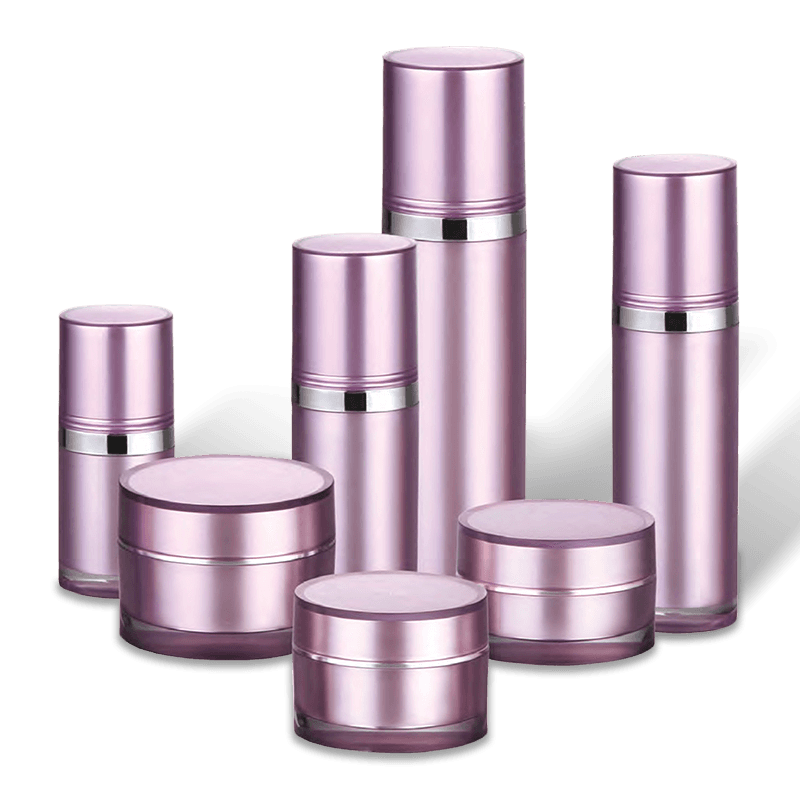
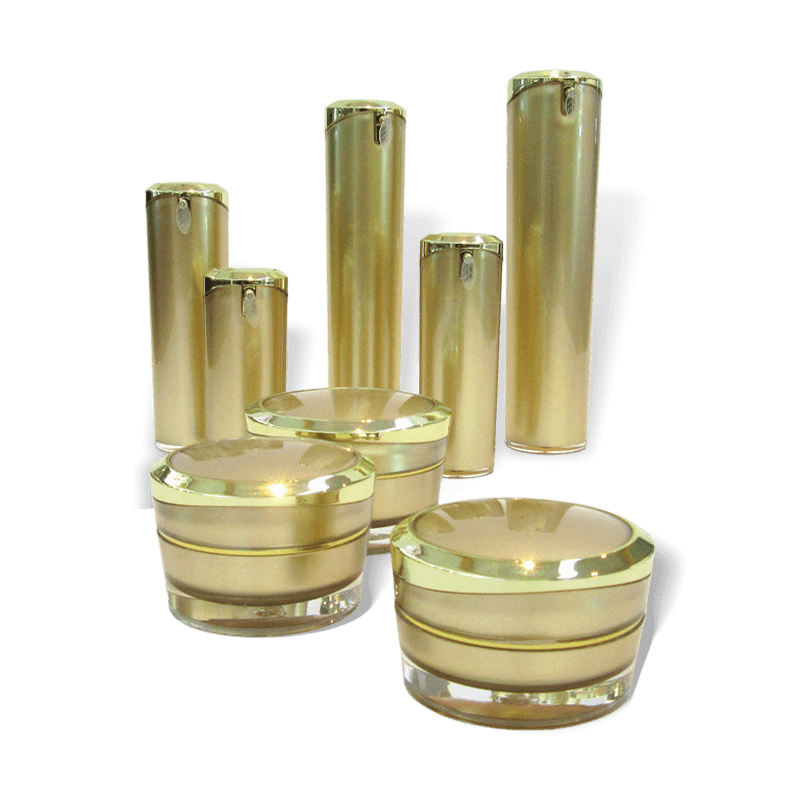 DP-A-004 Double-Layered Acrylic Champagne Gold Skincare Packaging SeriesA shared acrylic packaging family for luxury skincare, with cream jars and 30–120 ml lotion bottles in champagne gold finishes.View Product →
For a mid-to-premium skincare line, that often means settling on one acrylic family, such as a 30ml to 120ml range, where a shared silhouette carries serum, cream and body formats without the brand fragmenting into unrelated shapes.
Decoration Turns a Container Into a Brand Asset
Decoration is where an unfamiliar container becomes recognisable. Hot stamping delivers metallic gold and silver marks. UV coating adds gloss or a soft-touch matte. Screen and offset printing handle fine type and solid colour fields, while spray coating lets a closure match the body precisely. Because these steps can run inside the same production line as injection and blow molding, decoration is better planned alongside the mold than patched on afterwards.
Two rules of thumb serve most projects well. Test decoration on real parts rather than flat panels, because curvature changes coverage and ink behaviour. And match the finish to how the product will actually be used, since a soft-touch coating that scuffs inside a gym bag will read as a quality problem even when the formula is excellent.
Differentiation Through Shape
Sometimes the fastest route to a distinctive pack is not a bigger graphic budget but a different silhouette. Shaped cream jars exist for exactly this reason, from a 10g cherry or 10ml pumpkin up to 30g pear, 30g and 80g apple, 30ml egg, rose and 10ml blueberry formats. They suit gift sets, seasonal launches, sampling programmes and brands whose positioning is playful rather than clinical.
When a shaped jar earns its mold cost
A shaped container pays back when it is doing a specific job: carrying a limited edition, anchoring a gift set, or making a small travel format feel giftable. For a core line that will run for years, a clean round or square family with excellent decoration usually holds its value longer. Novelty shapes also need early conversations about filling, because angled shoulders and narrow necks can slow a filling line if they are not designed with the equipment in mind.
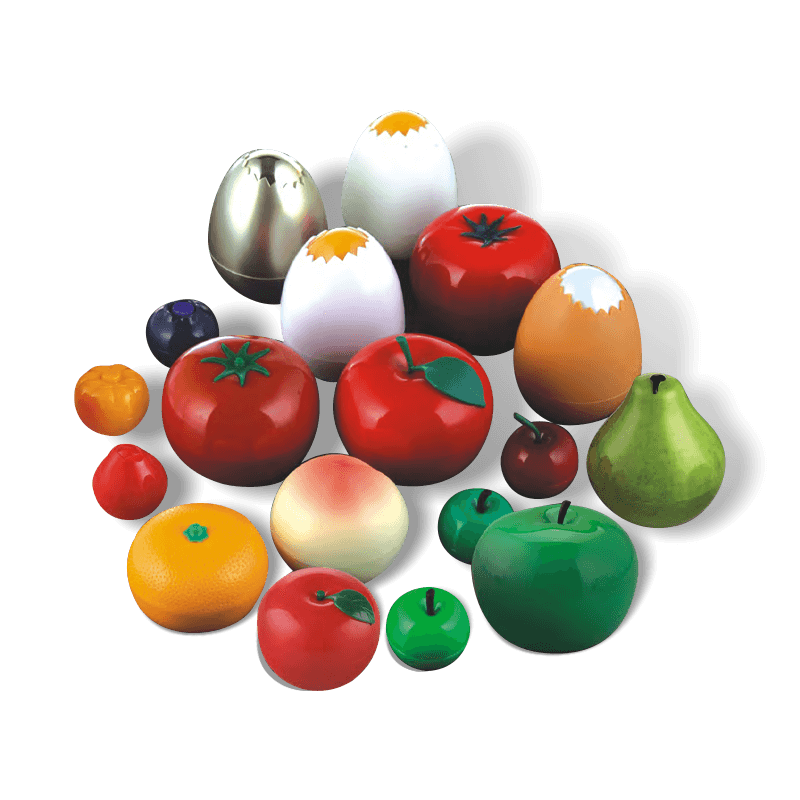 10g Luxury Cherry-Shaped Face Cream JarA shaped ABS jar for giftable skincare formats, with an aurora-green cherry body and curved stem handle.View Product →
Extending the Design System Beyond Skincare
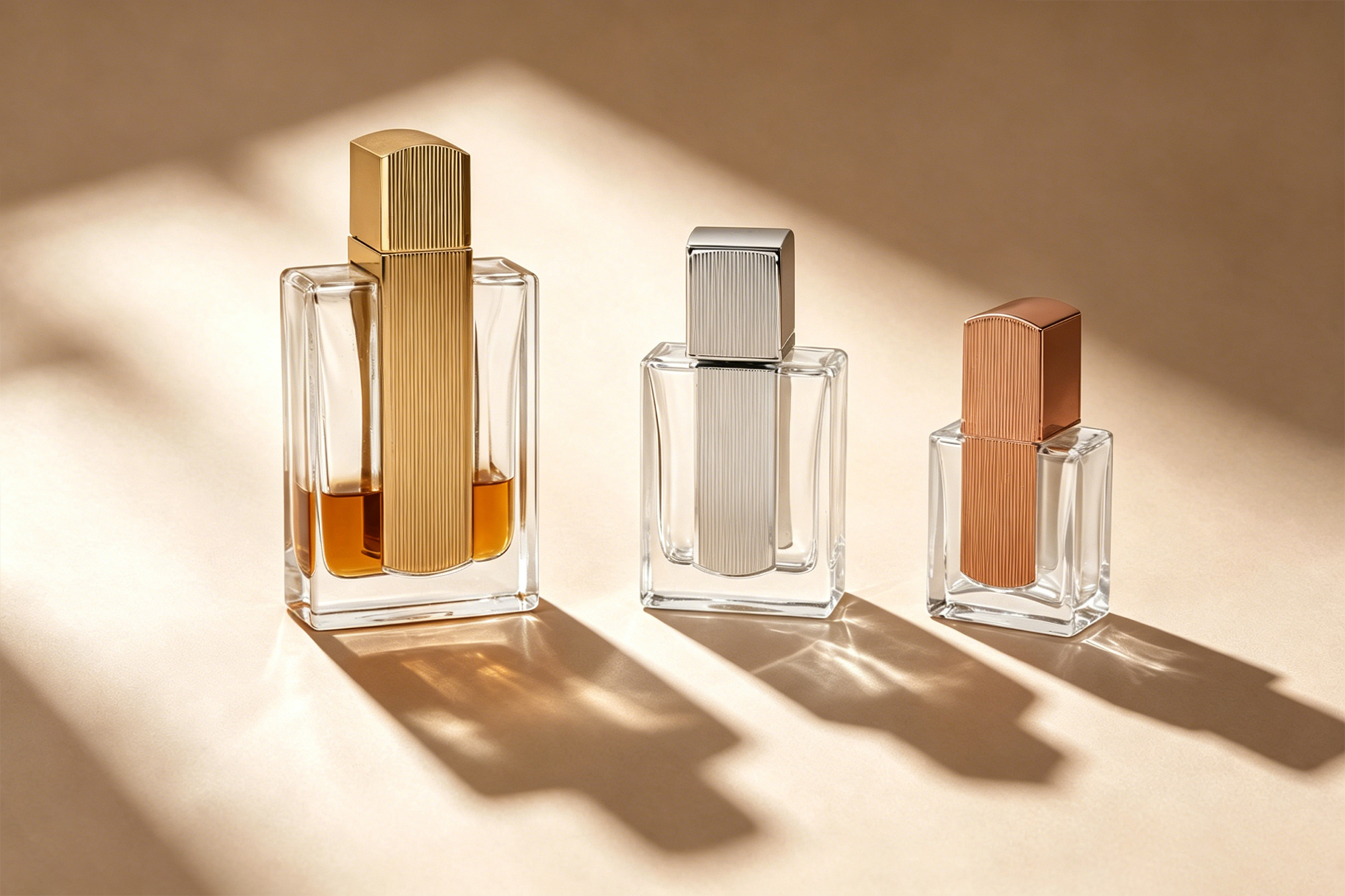
Once a brand has a visual language, the challenge is carrying it into other categories without losing consistency. Fragrance is the clearest example: glass bottles from 30ml to 200ml, with round, square and rectangular profiles, spray or splash necks, and caps that can repeat the metal accents of a skincare line. Perfume also brings its own regional codes, from heavier, more ornate bottles for Middle Eastern markets to minimal rectangular packs for others, and both directions need to be decided before tooling rather than after.
Travel and portable formats follow the same logic. A small storage case, for instance a three-in-one makeup case with a mirror, is not a primary pack, but it can extend a brand into travel kits, gift-with-purchase programmes and retail sets without redesigning the core range.
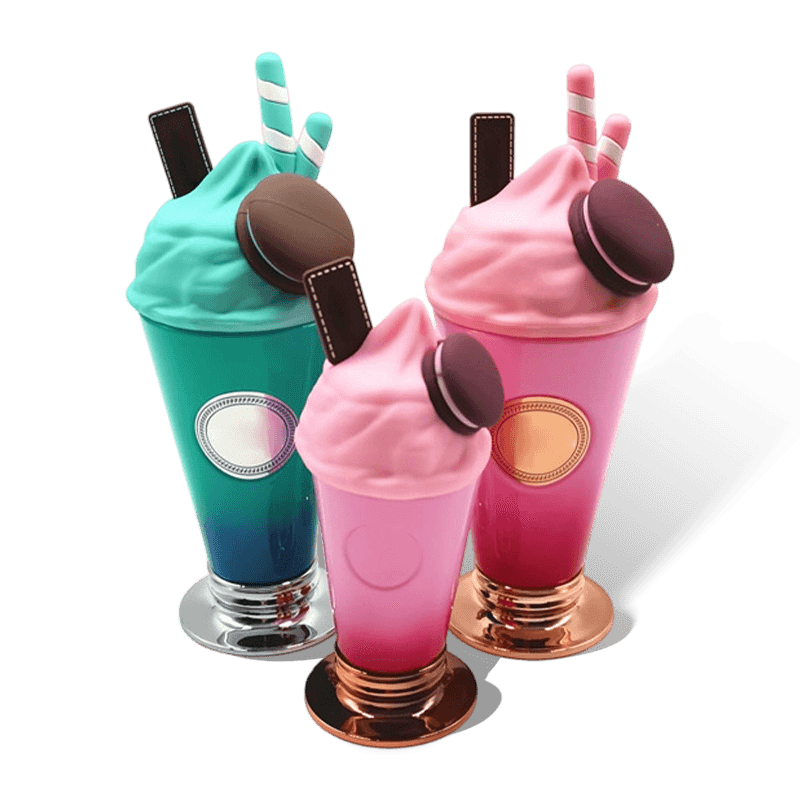 100ml Ice Cream-Shaped Luxury Glass Perfume BottleA novelty glass fragrance bottle for travel or gift sets, with ice cream cup details, cookie sticks, and gradient finish.View Product →
A Practical CPG Packaging Design Checklist
When a project starts to drift, it is usually because one of these steps was skipped or taken out of order. Worked through in sequence, they keep design intent and manufacturing reality in step.
- Write a one-page brief covering category, price tier, channel, target fill volume and shipping route.
- Agree the shelf story in a single sentence before any artwork begins.
- Choose the material and the format together, not one after the other.
- Decide how many SKUs will share the same silhouette, and where the family should stop.
- Prototype the structure before finalising artwork, so adjustments stay inexpensive.
- Test decoration on real parts: rub, wipe, drop and stack them the way a customer would.
- Confirm filling, capping and palletising compatibility with your co-packer.
- Sign off the mold first, then lock the print files.
Bringing Manufacturing Into the Conversation Early
Most packaging problems we see are not design problems. They are timing problems: a mold ordered before the fill volume was confirmed, a decoration chosen after the cap was tooled, a shelf story agreed after the artwork went to print. Bringing a manufacturer into the conversation early costs nothing and usually saves a revision or two.
If you are working through a CPG packaging design project for skincare, fragrance or travel formats, we are glad to talk it through. We keep both standard molds and custom tooling, we can take a container from design and mold making through injection, blow molding, hot stamping, UV coating and testing, and we work with clients in English, Chinese, French, Spanish and Arabic. You are also welcome to browse our container range to see the formats we produce today.
-
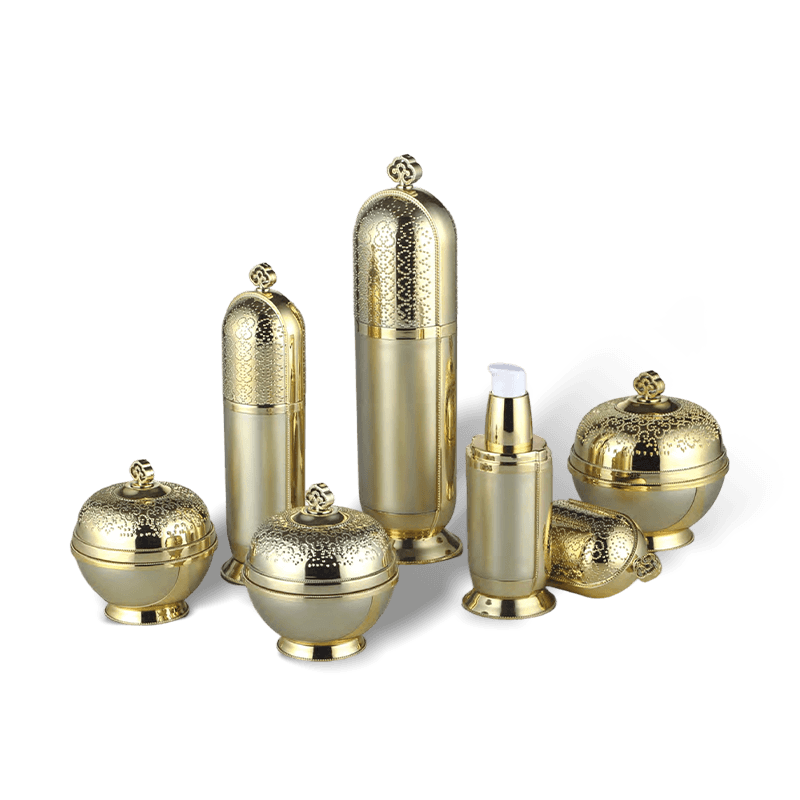 DP-A-018 Acrylic jars for whitening and anti-aging cosmetic creams
-
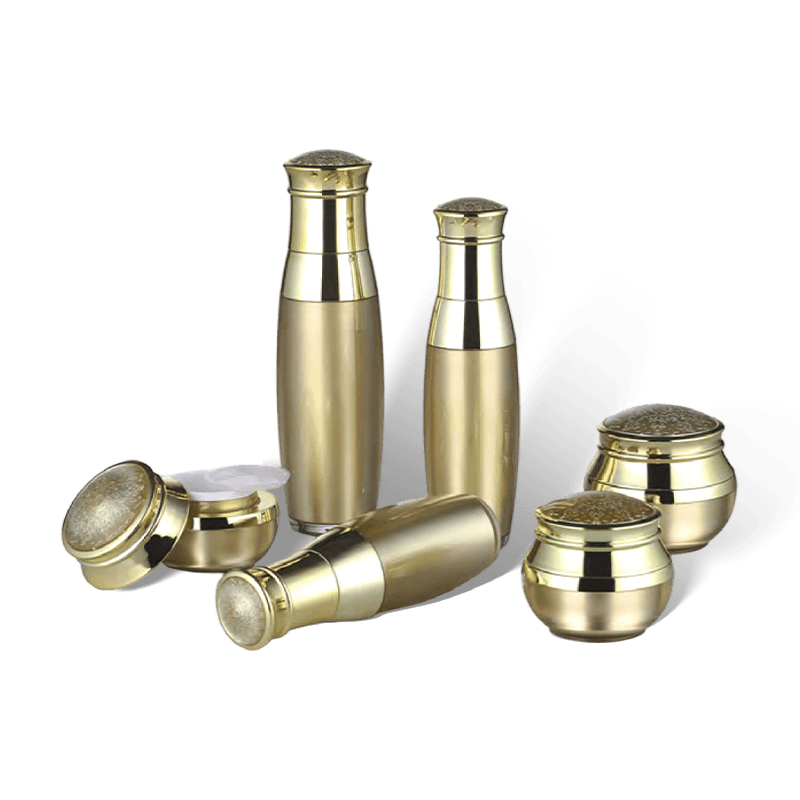 DP-A-021 50g/30g/20g Skin Whitening Cream Packaging Cosmetic Jars
-
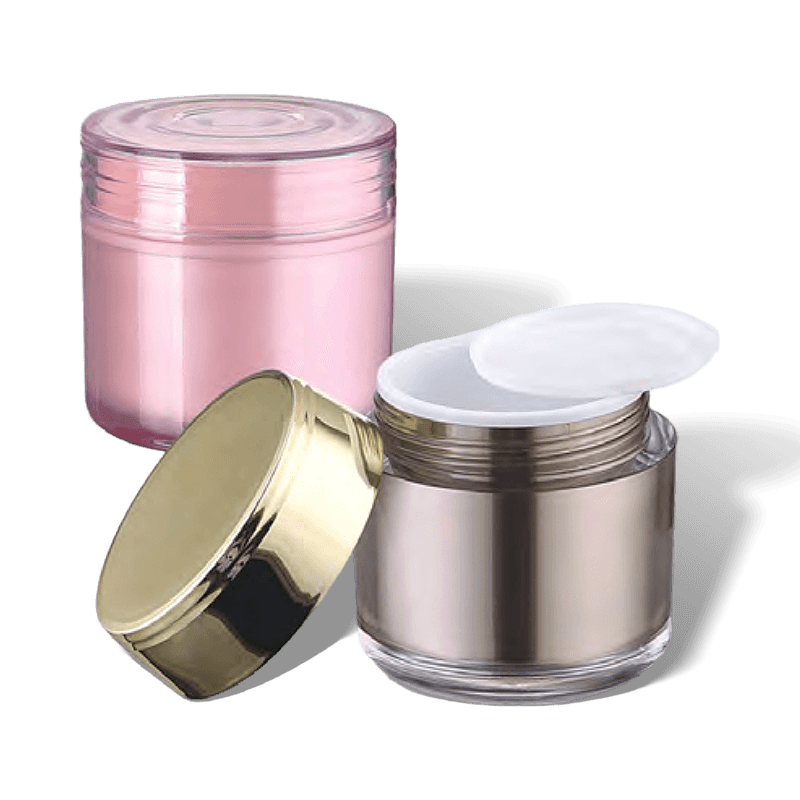 DP-A-009 Body Cream Jar 80ml Container 70ml Cosmetic Packaging Body Butter Plastic Jar
-
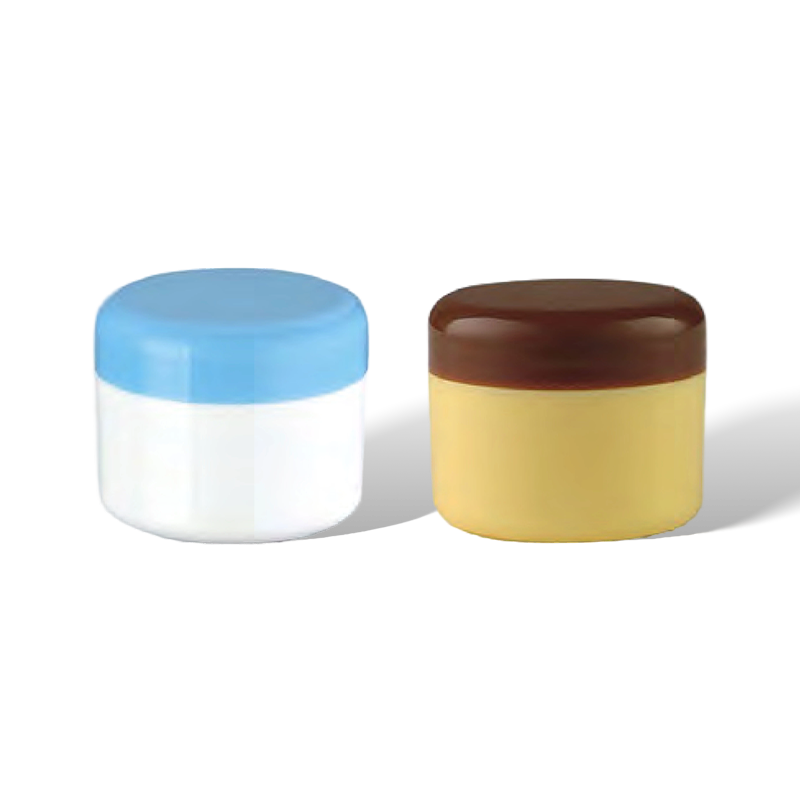 1oz 30g empty PP plastic cream jars for skincare
-
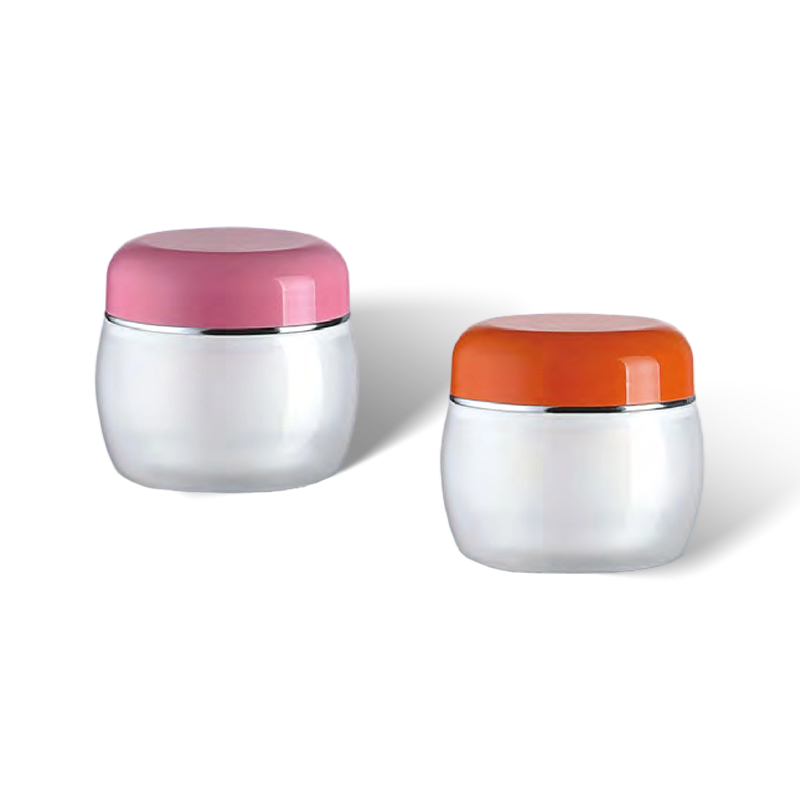 exquisite cosmetic skincare packaging bottle, 20g cosmetic container for children, small deluxe cosmetic jar
-
 DP-A-002 High-end 15g/30g/50g round empty cosmetic cream jar packaging
- +86 13968274500
- +86 13764345885
- ysgl@vip.163.com
- No. 10-18, Gaoxiakeng, Dongputou Village, Zhangqi Town