English
 中文简体
 Français
 Español
 عربى



Luxury Cosmetic Packaging: Materials, Design, and Practical Sourcing Guide
Luxury cosmetic packaging has a quiet job to do. It must protect a delicate formula, survive shipping, and still feel special in a customer’s hand. The best examples rarely shout. They earn attention through weight, clarity, texture, and a closure that sounds right when it opens. In our work as a packaging manufacturer, we see that luxury is less about adding decoration and more about removing friction: every seam, thread, liner, and surface should feel considered.
For brands developing skincare, fragrance, or gift-ready products, the practical question is how to choose packaging that looks premium without creating production problems. This guide walks through the materials, structures, and finishing choices that matter, with a manufacturer’s view on what to check before committing to a design.
What Luxury Cosmetic Packaging Really Communicates
Premium packaging sends a simple message: the product inside has been cared for. That message can come from a thick acrylic wall, a heavy glass base, a softly coated cap, or a refill system that feels deliberate. It can also come from restraint. A clean cylinder with a well-matched cap often reads as more luxurious than a busy shape with too many effects.
Buyers tend to notice four things first:
- Weight and balance. A jar that feels substantial but not awkward suggests quality before the lid is removed.
- Surface touch. Gloss, matte, soft-touch, and brushed effects change how a package is perceived.
- Clarity and color depth. Clear acrylic and glass can show formula color; opaque materials can create mystery and protection.
- Closure feedback. A smooth thread, a secure seal, and a satisfying final turn all signal engineering care.
Luxury cosmetic packaging is therefore a technical choice as much as an aesthetic one. A design that photographs well but leaks, scratches, or feels hollow in hand will struggle to support a premium price.
Materials That Carry a Premium Feel
Acrylic for Skincare Jars and Bottles
Acrylic remains a favorite for creams, lotions, and serums because it can deliver glass-like clarity with less weight and good design flexibility. A double-wall acrylic jar can create the illusion of depth, while a thick base adds stability. For skincare lines, 30ml to 120ml formats cover travel sizes, trial sets, and full-size products without changing the visual language.
One example from our range is the
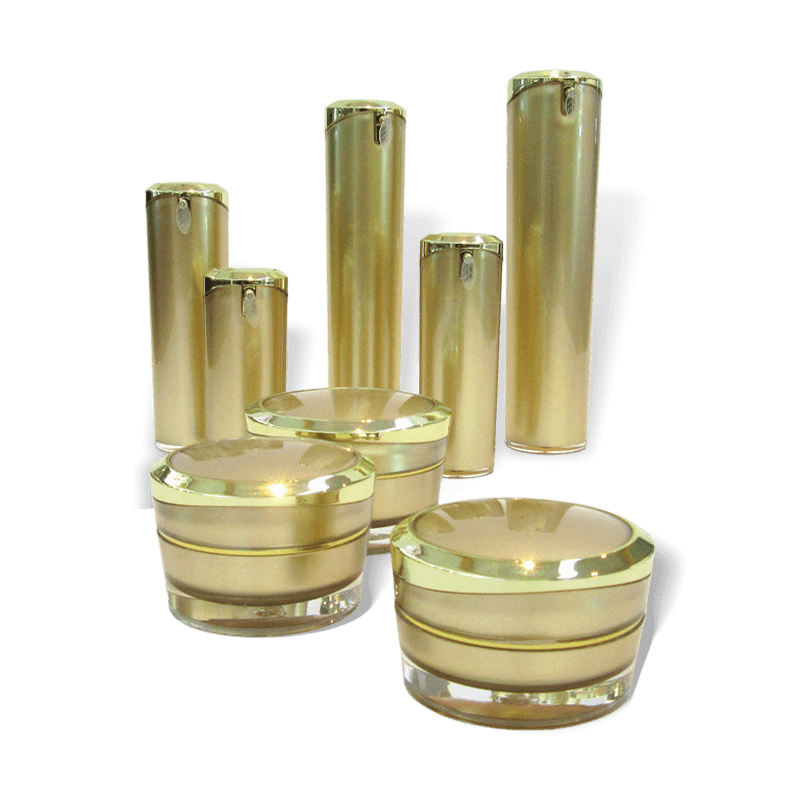 Champagne Gold Skincare Packaging SeriesHigh-end acrylic bottles and cream jars in coordinated sizes, offered in champagne gold finishes for luxury skincare lines.View Product →
30ml to 120ml high-end skincare packaging series. It is often used for moisturizers, treatment creams, and premium lotion bottles where the brand wants a coordinated family of sizes.
Glass for Fragrance and Prestige
Glass has a material honesty that suits fragrance especially well. It is cool to the touch, holds light beautifully, and can be shaped into round, square, or rectangular profiles. Heavy-bottom glass bottles feel reassuring and give a perfume a stronger table presence. The trade-off is weight and shipping cost, so brands should test bottle, pump, and cap together rather than choosing each part separately.
PP for Practical Luxury
PP packaging is lighter and more economical, but it should not be dismissed as a budget-only material. A well-finished PP jar with clean edges, accurate threads, and thoughtful decoration can work for baby care, body care, and everyday premium lines. The key is to match the material to the product position rather than forcing every item into acrylic or glass.
Structure and Function: The Hidden Luxury
Much of what makes packaging feel expensive is hidden from the shelf. Double-wall construction can hide an inner container and create a thicker-looking wall. Heavy-bottom jars add stability and a sense of density. Airless systems protect sensitive formulas from air and contamination while giving a controlled dose. Inner liners and seals prevent leakage and keep the formula away from adhesive or decoration materials.
Refillable designs are another quiet luxury signal. They ask the customer to keep the outer package, which turns a container into a small object of value. For brands, refill systems can build repeat purchase behavior, but they require careful testing: the refill must be easy to insert, secure in use, and simple to explain on pack.
| Format | Best for | Luxury signal | Practical note |
|---|---|---|---|
| Double-wall acrylic jar | Face creams, treatment gels | Depth, weight, glossy clarity | Check fill capacity and inner liner fit |
| Heavy-bottom glass perfume bottle | Eau de parfum, niche fragrance | Clarity, hand feel, light reflection | Confirm pump, collar, and cap compatibility |
| Refillable system | Repeat-purchase skincare | Responsibility and long-term value | Test refill mechanism and customer instructions |
| Airless jar or bottle | Anti-aging, sensitive formulas | Protection, precision, clinical care | Validate formula compatibility and dose |
| Themed or shaped jar | Gift sets, limited editions | Playful storytelling and shelf difference | Balance novelty with stacking and shipping needs |
Finishing Touches Buyers Notice
Decoration should support the material, not cover it. Hot stamping can add a precise metallic accent to a cap or jar shoulder. UV coating can create a durable gloss or soft-touch surface. Frosting can make clear acrylic or glass feel more restrained. Color matching matters too: a warm ivory, deep burgundy, or smoky grey can carry more perceived value than a generic white or clear finish.
Minimalism is often the safer route for luxury cosmetic packaging. A simple silhouette with one strong detail, such as a brushed cap or a colored inner wall, tends to age better than a trend-heavy design. That said, themed packaging has its place in gift sets and seasonal launches. Fruit-shaped jars and other novelty formats can create an emotional hook, provided the closure, liner, and filling process are still engineered for real production.
For a closer look at material and format decisions, our team often shares this guide on choosing the right plastic cosmetic jar material and format. It is a useful starting point before requesting samples.
Fragrance Packaging: A Different Kind of Luxury
Perfume packaging follows its own logic. The bottle is part of the product experience, and the cap is often the first thing a customer touches. A 30ml bottle may need to feel jewel-like, while a 100ml or 200ml bottle can carry more presence on a vanity. Round bottles suggest softness and tradition; square and rectangular bottles feel more architectural and modern.
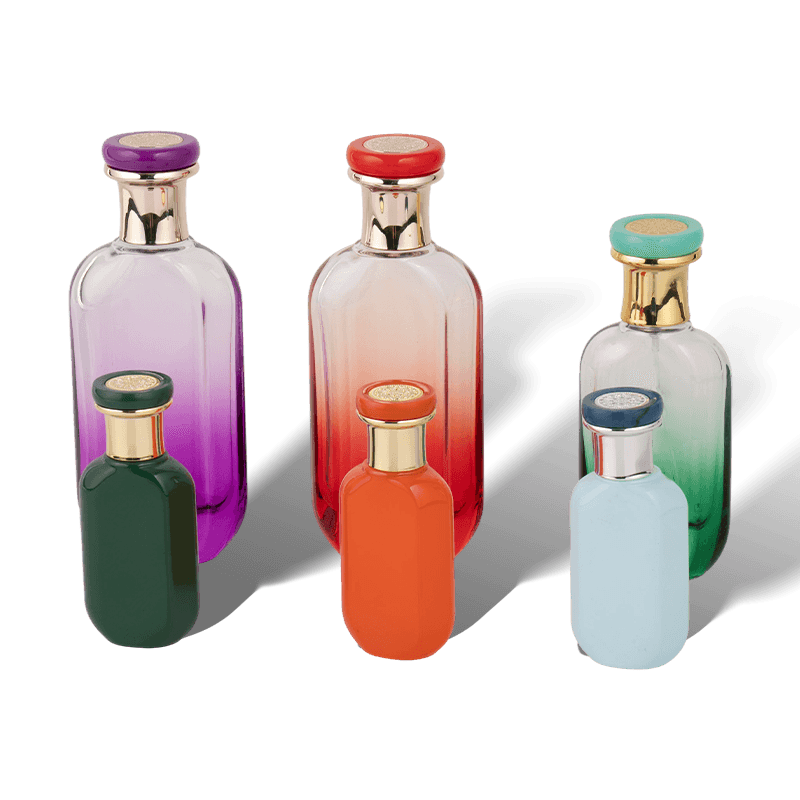
Our perfume packaging collection includes glass spray bottles, custom-logo options, and caps in different finishes. Middle Eastern and Arabic-style fragrance brands often prefer taller profiles, gold accents, and rich contrasts, while European and North American brands may lean toward clean glass and minimal decoration. Neither direction is inherently more luxurious; the fit between bottle, scent, and brand story is what matters.
For a classic launch format, the
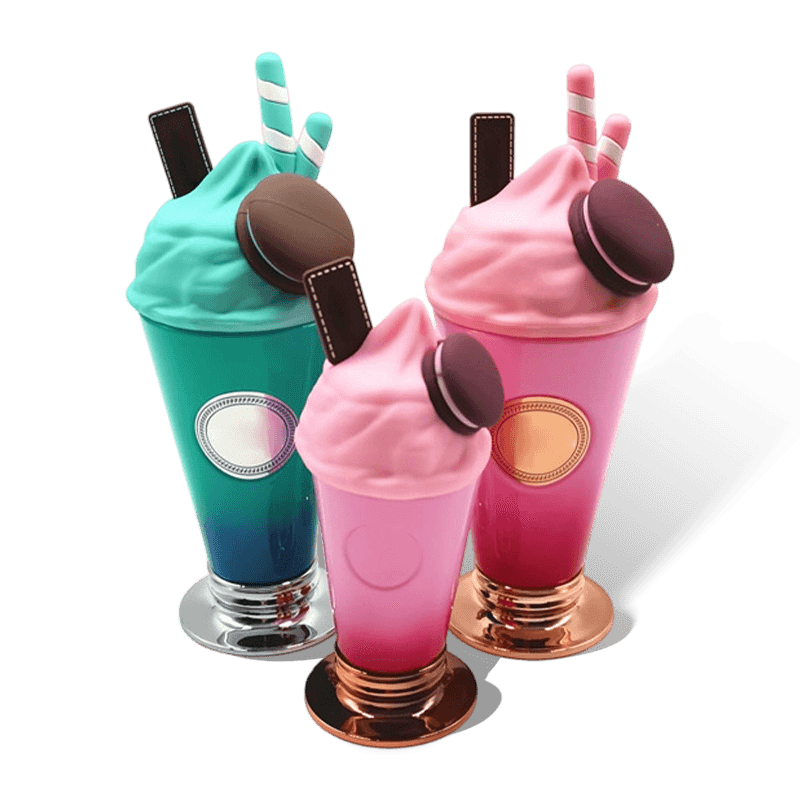 100ml Luxury Glass Perfume BottleIce-cream-cup-shaped glass fragrance bottle with decorative dessert details, available in 30ml, 50ml, and 100ml for retail and gift formats.View Product →
100ml luxury empty glass perfume bottle offers a familiar silhouette that accepts decoration well. Brands can keep it clear for a modern look or add coating, printing, and a custom cap for a richer finish.
Designing for Shelf Presence and Unboxing
A luxury package has to work at three distances. From across the room, it needs a clear silhouette. At arm’s length, it needs a convincing surface and legible branding. In the hand, it needs a comfortable weight and an easy opening. Unboxing adds another layer: a jar that sits snugly in a molded insert, a bottle that does not rattle, and a cap that turns without grinding all contribute to the impression of care.
Creative shapes can be powerful when they serve a story. A cherry-shaped cream jar, for example, can suit a playful gift set or a limited summer edition. The
 Creative Cherry-Shaped Face Cream JarAurora-green ABS jar with stem handle and screw cap, available in 10g, 30g, and 80g for playful or limited-edition skincare packaging.View Product →
10g luxury creative cherry-shaped face cream jar shows how a small format can become a collectible object. The important check is whether the shape still allows reliable filling, sealing, and packing.
A Practical Sourcing Checklist
Before approving a luxury cosmetic packaging design, it helps to move from mood board to factory reality in a structured way:
- Confirm the formula. Check viscosity, fragrance, alcohol content, and active ingredients against the proposed material and liner.
- Test the full assembly. Bottle, pump, cap, jar, lid, disc, and liner should be tested together, not as separate components.
- Review decoration durability. Hot stamping, printing, coating, and labels should resist rubbing, moisture, and normal handling.
- Check filling and capping. The package must run on the intended filling line without excessive rejects or manual adjustment.
- Plan shipping trials. Drop, vibration, and leakage tests matter more for heavy glass and refillable formats.
- Agree on visual standards. Color, gloss level, and decoration placement need clear approval samples.
These steps may feel ordinary, but they are where luxury becomes reliable. A beautiful prototype that cannot be produced consistently is not a luxury package; it is a sample.
Sustainability Without Losing the Premium Feel
Sustainability does not have to mean a rougher finish or a thinner wall. Recyclable glass, refillable jars, and mono-material plastic designs can all look premium when the proportions are right. The most convincing approach is to choose one clear sustainability feature and execute it well, rather than adding several small claims that are hard to explain.
For brands, the practical balance is between material reduction and perceived value. Lightweighting can lower shipping cost, but it may reduce the hand feel that luxury buyers expect. Refill systems can extend product life, but they need clear instructions. Recycled content can be valuable, but color consistency and food-contact compliance must be checked. These are engineering conversations, not marketing ones.
How Our Team Supports Packaging Development
At DEPRAG Plastic Products, we work with brands and product teams from concept through tooling, molding, decoration, and delivery. Our range covers acrylic cosmetic jars, PP cosmetic packaging, fruit-shaped cream jars, perfume glass bottles, and portable cosmetic storage cases. We are comfortable with standard molds and with custom work that needs a new shape or a difficult closure.
If you are planning a luxury cosmetic packaging project, start with the formula, the fill volume, and the retail channel. Those three details narrow the material and structure faster than a visual reference alone. From there, samples and tests can confirm whether the design feels as good in production as it looks on screen.
Luxury cosmetic packaging is ultimately a promise kept. The box opens cleanly, the jar sits well in the hand, the cap turns smoothly, and the product inside looks exactly as it should. When material, structure, and finishing work together, the package does not need to announce its value. Customers can feel it.
-
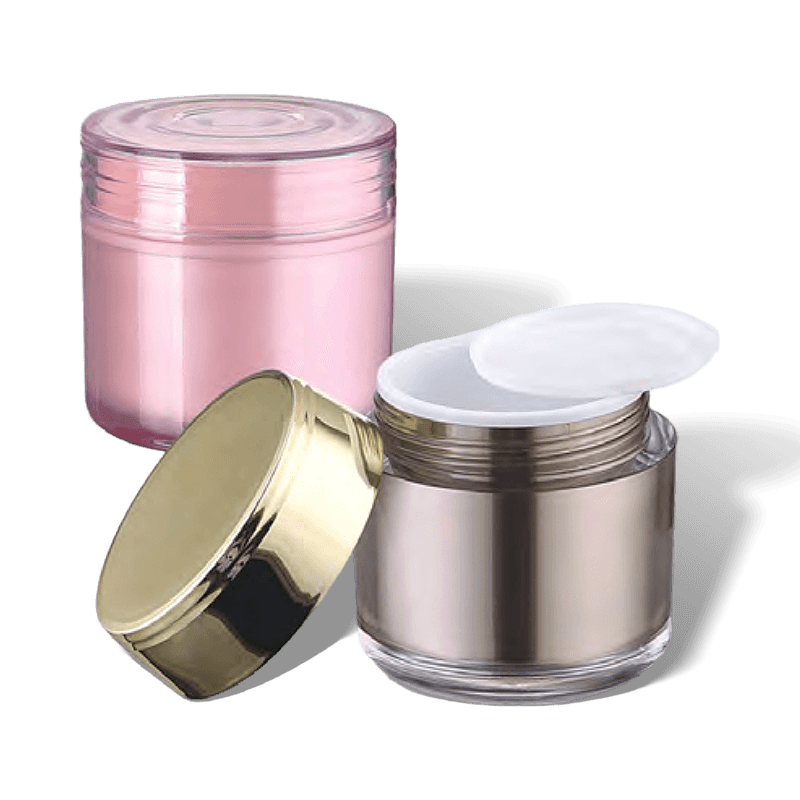 DP-A-009 Body Cream Jar 80ml Container 70ml Cosmetic Packaging Body Butter Plastic Jar
-
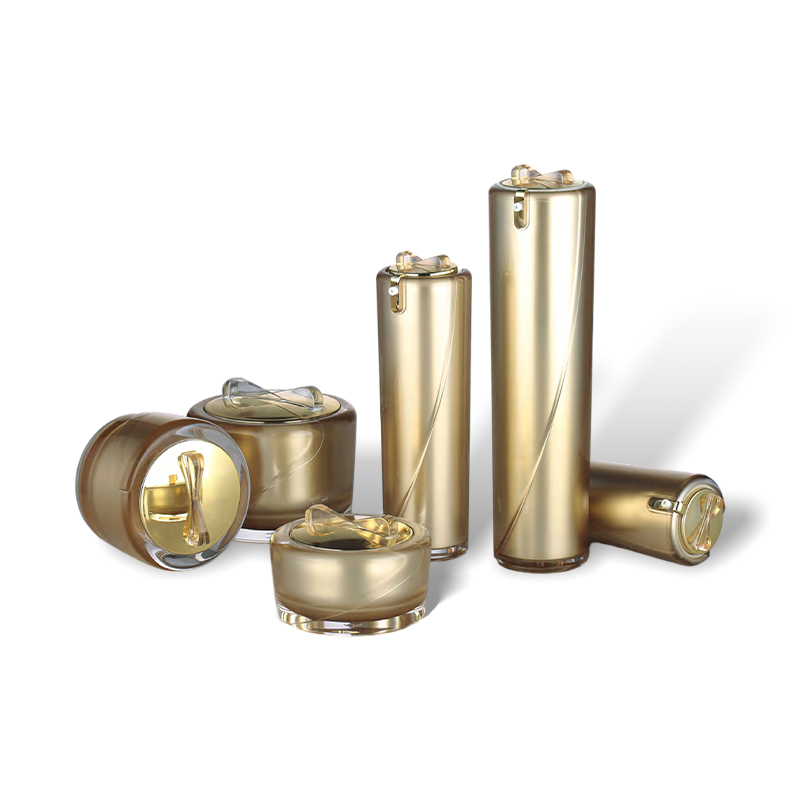 DP-A-020 120ml Green Acrylic Cream Bottle 50g Blue Acrylic Cosmetic Container 50ml Acrylic Jar and Bottles
-
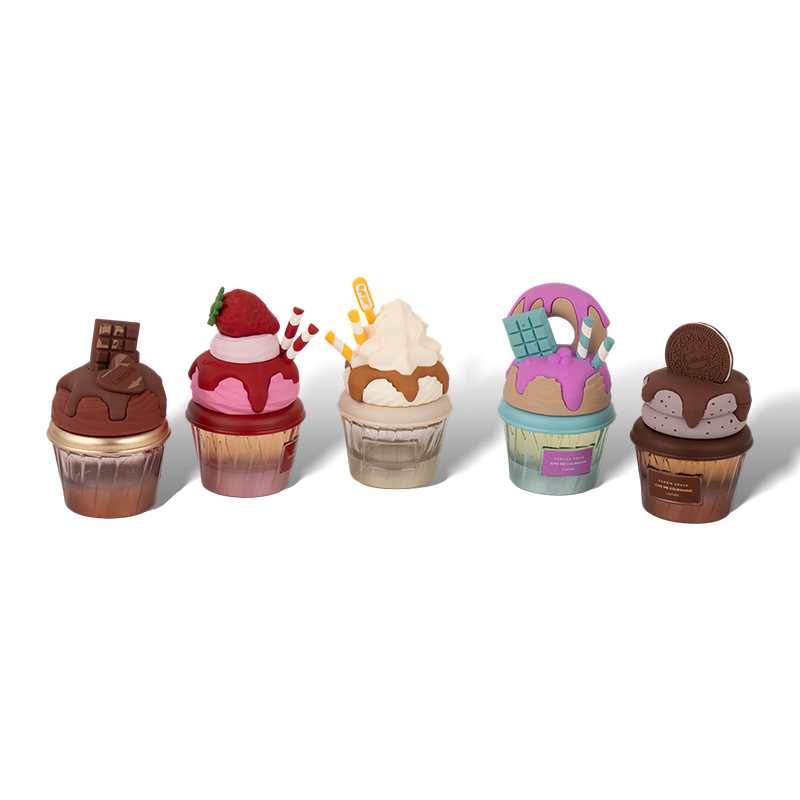 Luxury 100ml Round Perfume Bottle
-
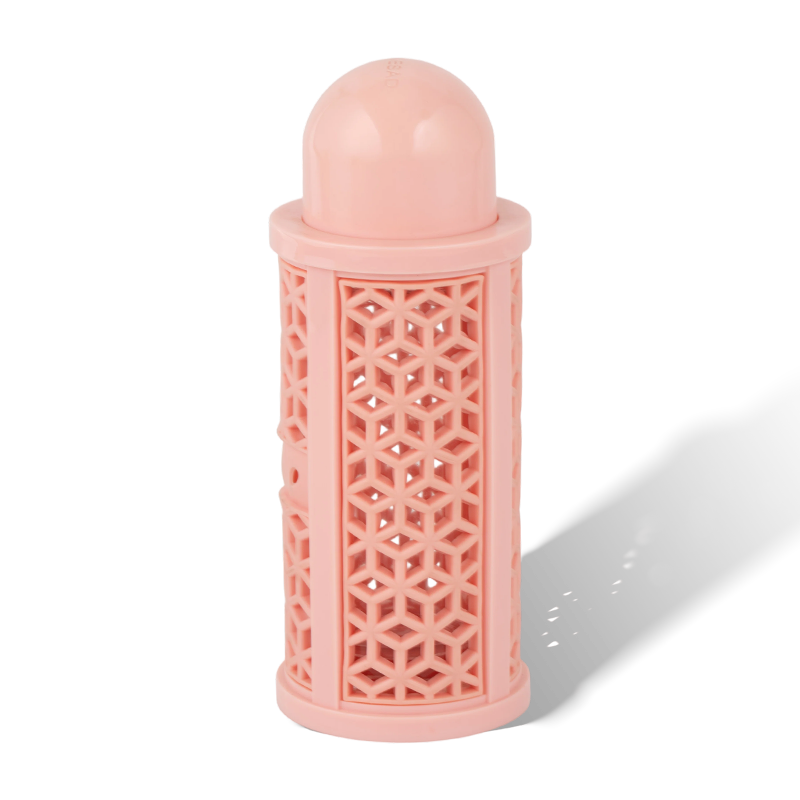 Luxury glass perfume bottles 30ml/50ml/100ml/200ml
-
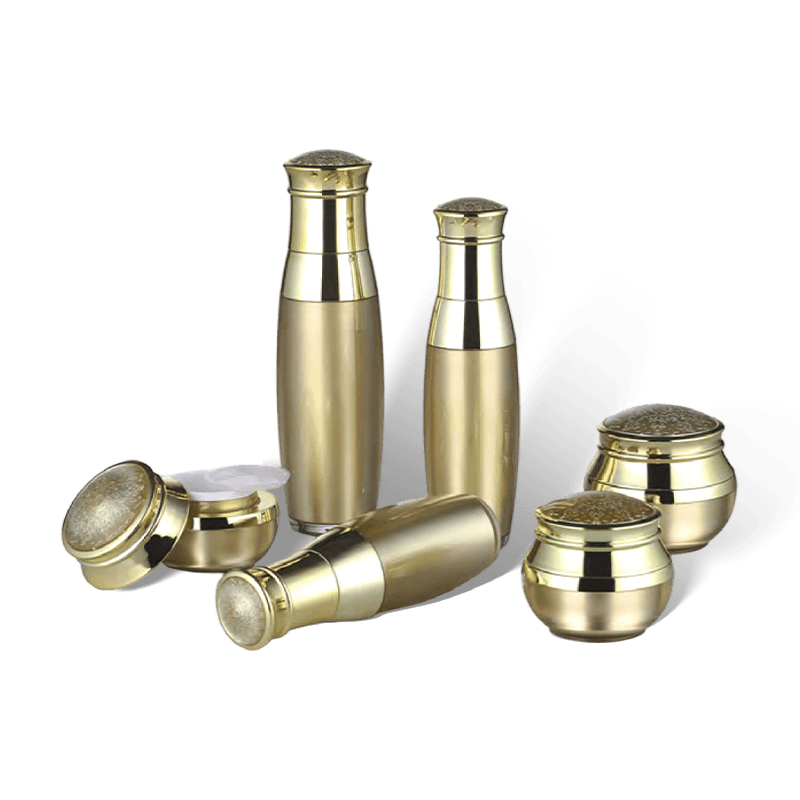 DP-A-021 50g/30g/20g Skin Whitening Cream Packaging Cosmetic Jars
-
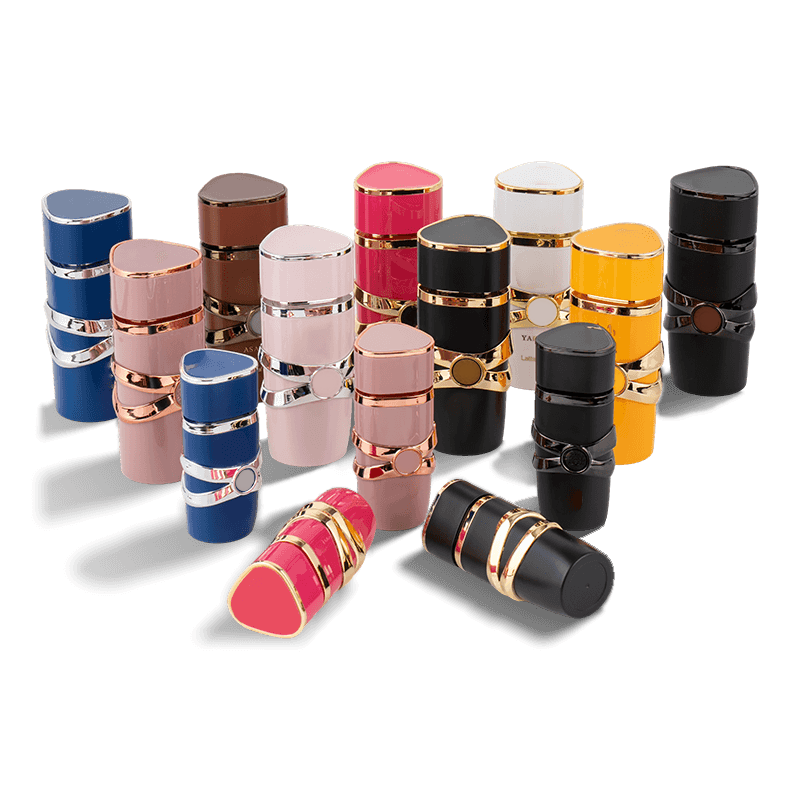 Round Luxury Empty 100ml Perfume Bottle
- +86 13968274500
- +86 13764345885
- ysgl@vip.163.com
- No. 10-18, Gaoxiakeng, Dongputou Village, Zhangqi Town