English
 中文简体
 Français
 Español
 عربى



Candy Packaging Design That Sells: Materials, Structures, and Trends to Watch
Candy packaging design is about creating a moment of desire. A wrapper, box, or jar has a split second to communicate flavor, fun, and quality. As a manufacturer of decorative plastic packaging, we know that the strongest designs combine a clear structural idea, a material that fits the product, and finishing details that make people want to pick the package up. In this guide, we break down what makes great candy packaging, the most useful structures, the materials and finishes that add value, and the trends that are shaping the sweetest products on the shelf.
What Makes Great Candy Packaging?
Great candy packaging design starts with appetite appeal. Consumers should immediately understand what is inside and why they want it. That means the flavor should be obvious, the portion should be clear, and the visual language should match the product's personality. A sour candy, a truffle, and a lollipop all need different visual clues.
Clarity and appetite appeal
Clear windows, transparent films, and minimalist labels all allow the candy itself to become the hero. This is why so many gummy brands use see-through packages. For chocolates, a printed image or a die-cut window can hint at the texture inside without leaving the product exposed.
Playful typography and color
Playful typography and vivid color palettes turn sweets into visual treats. Round, chunky lettering feels approachable; bold, contrasting colors feel energetic. The typography should remain legible from a few feet away because candy is often an impulse purchase during grocery checkout.
Texture and tactile details
Texture gives people a reason to hold a package. Embossing, soft-touch lamination, spot UV varnish, and subtle metallic effects can make a wrapper feel like a gift. The tactile experience should reinforce the quality of the candy and the effort that went into making it.
Core Candy Packaging Structures
Candy packaging structures can be divided into a few broad families: wrappers, boxes, pouches, and rigid containers. Each has its own strengths. The structure you choose should fit the product format and the buying situation. For example, a single-serve lollipop needs a lightweight wrapper, while a premium chocolate collection needs a rigid box that protects and presents.
| Structure | Best for | Design strengths | Trade-offs |
|---|---|---|---|
| Wrapper | Individually wrapped sweets, caramels, lollipops | Low cost, fast to update, bright print area | Limited space for information |
| Box | Chocolate assortments, gift sets | Large canvas for branding, easy personalization | Higher material cost |
| Pouch / bag | Gummies, candy bars, sharing bags | Lightweight, flexible, resealable options | Less rigid, may need a hanging hole |
| Rigid jar or tin | Premium sweets, holiday gifts | Reusable, visible product, premium feel | Heavier shipping, higher unit cost |
Combining structures can maximize both protection and design space. A candy bar can be wrapped in film and placed in a display box; a premium jar can slide into a printed sleeve for more messaging. Think of the structure as the first layer of the brand story, not an afterthought.
Materials and Finishing
The material you choose changes how the package performs on the shelf and in the hand.
Flexible films and paperboard
Flexible films are efficient for large volumes and vivid full-color printing. They are lightweight, easy to seal, and can include resealable closures. Paperboard is the classic candy box material: it folds into many shapes, accepts coatings and foil, and is widely recyclable. If the candy has oil, moisture, or aroma, a barrier layer may be needed.
Rigid plastic containers
Rigid plastic containers are an underused opportunity in candy packaging. A clear acrylic or PP jar keeps sweets visible while protecting them from pressure and humidity. The rigid format also gives a canvas for labeling, embossing, and custom closures. Finishing techniques such as hot stamping, UV coating, and multi-color printing can turn a simple jar into a premium collectible. If you are deciding between materials and formats, our guide to plastic cosmetic jar selection explains the same material trade-offs and production considerations that apply to any rigid pack.
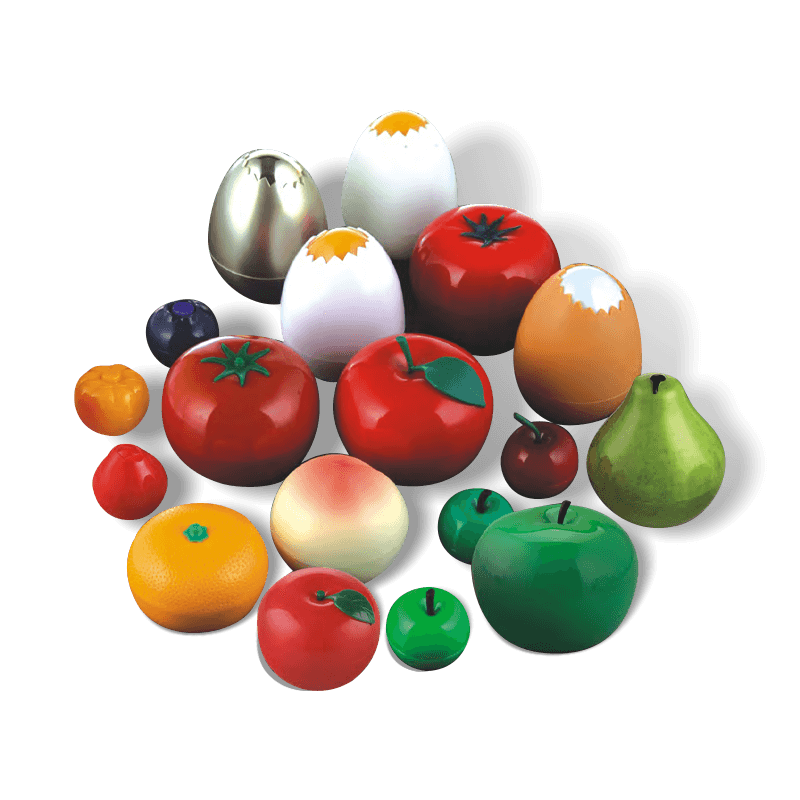
Sculptural shapes can add an extra layer of playfulness. In our own range, fruit-shaped containers turn a simple face cream jar into a novelty object. The same logic can inspire a candy brand: instead of a plain round jar, choose a form that echoes the flavor or the story being told.
 10g Cherry-Shaped Face Cream Jar with Stem HandleA 10g cherry-shaped cosmetic jar in aurora green with a black simulated stem handle. Its rounded, high-gloss form shows how fruit-inspired containers can make small skincare packaging more tactile and memorable.View Product →
Sustainability in Candy Packaging
Sustainability now shapes candy packaging design as much as aesthetics. Buyers are asking for recyclable materials, less plastic, and clearer labeling. They still want the package to feel festive.
Refill and reusable formats
Rigid jars and tins offer a second life after the candy is finished. A beautiful jar can be reused for storage, which makes the purchase feel less wasteful. Refill pouches can then be used to replace the candy in the original pack.
Material reduction
Lightweighting is an effective way to reduce environmental impact. Smaller caps, thinner films, and monomaterial structures are easier to recycle. The best sustainable candy packaging achieves the smallest possible footprint while still protecting the product and preserving the brand experience.
Design Trends to Watch
Candy packaging trends change quickly, but some directions are worth watching.
Bold color and maximalism
Full, vibrant color dominates modern candy shelves. Saturated backgrounds, gradients, and high-shine finishes make products feel festive. Candy has permission to be louder than most other categories, and consumers respond to that energy.
Nostalgia and retro revival
Retro typography, vintage mascots, and old-fashioned color palettes tap into childhood memories. Nostalgic candy packaging creates an emotional shortcut that encourages impulse purchases and makes the product feel authentic.
Personalization and limited editions
Limited-edition designs, seasonal themes, and personalized wrappers drive social sharing. Even small brands can use variable data printing to create unique messages, names, or illustrations on each package.
How to Launch a Candy Packaging Project
Once the concept is clear, the development process should be disciplined. We recommend the following steps:
- Define the product format and the moment of consumption.
- Choose the structure that fits the product and the shelf space.
- Test materials against your filling line and distribution conditions.
- Create prototypes to check colors, closure torque, and drop strength.
- Review the sustainability of the packaging and plan clear disposal instructions.
Getting a sample in your hands early is the best way to avoid surprises. A small change in the material wall thickness or the label shape can have a big impact on cost and performance.
Candy packaging design is one of the most enjoyable packaging categories because it allows for color, humor, and drama. But the fundamentals are still serious: protect the product, communicate the flavor, and make the opening experience rewarding. When a package does all three, it becomes an equal partner to the candy itself.
-
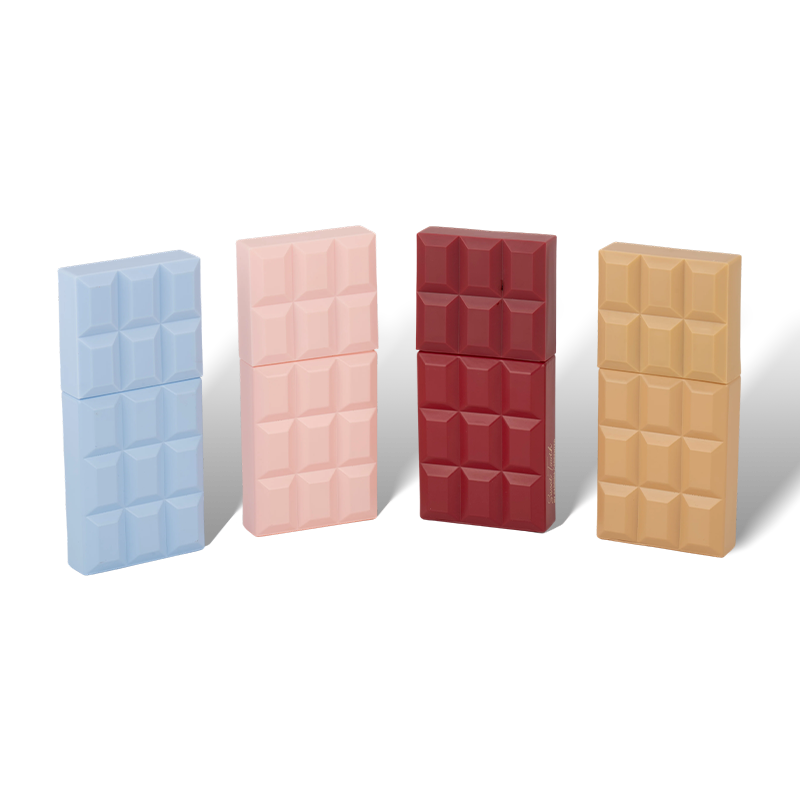 100ml Custom Logo Glass Perfume Bottle
-
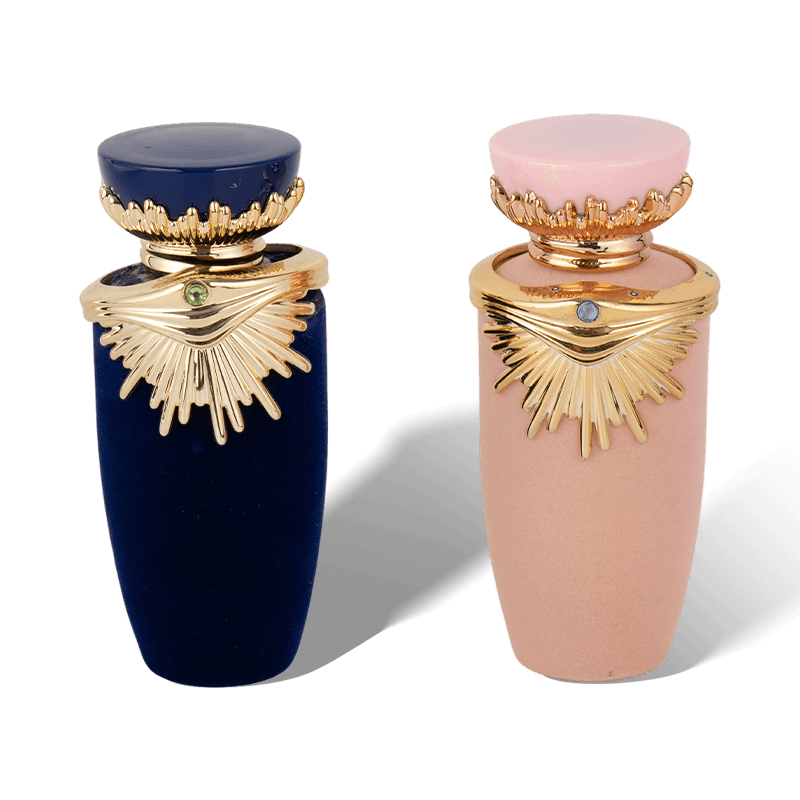 30ml/50ml/100ml high-end glass cosmetic and perfume bottles
-
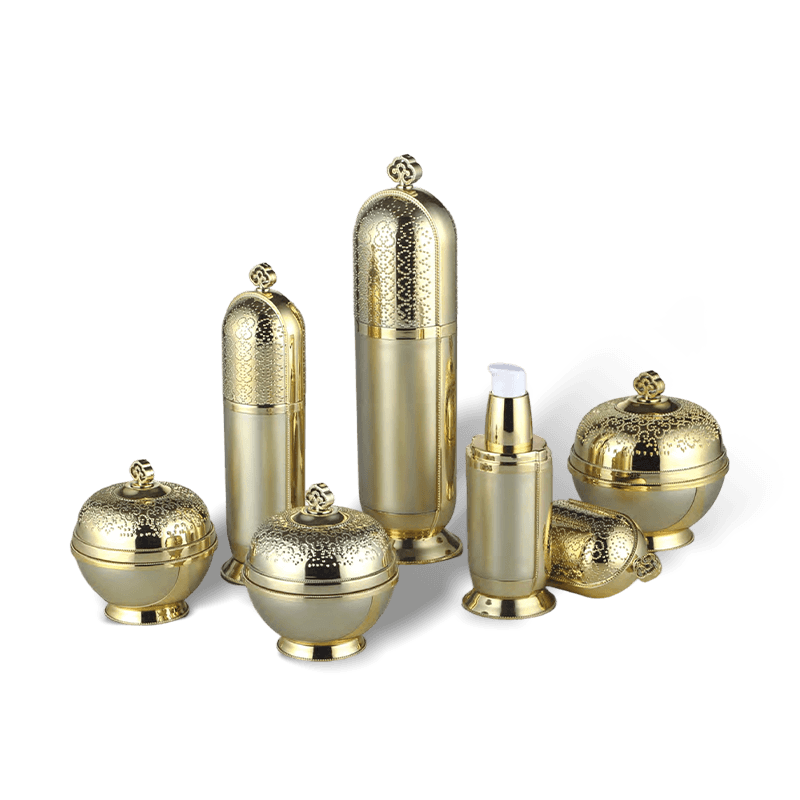 DP-A-018 Acrylic jars for whitening and anti-aging cosmetic creams
-
 DP-A-021 50g/30g/20g Skin Whitening Cream Packaging Cosmetic Jars
-
 DP-A-020 120ml Green Acrylic Cream Bottle 50g Blue Acrylic Cosmetic Container 50ml Acrylic Jar and Bottles
-
 DP-A-009 Body Cream Jar 80ml Container 70ml Cosmetic Packaging Body Butter Plastic Jar
- +86 13968274500
- +86 13764345885
- ysgl@vip.163.com
- No. 10-18, Gaoxiakeng, Dongputou Village, Zhangqi Town