English
 中文简体
 Français
 Español
 عربى



2026 Packaging Design Trends in Beauty: Sustainability, Bold Looks & Smart Features
Walk through any beauty aisle in 2026 and one thing becomes clear: packaging design has stopped shouting at shoppers and started listening to them. Container design today is expected to reflect how people actually buy, use and dispose of personal care products, while still creating that immediate moment of desire on the shelf. For brands planning their next launch, the packaging design trends that matter are the ones that balance emotion with engineering.
The design language that wins in 2026 rewards packaging that feels honest, honest about its materials, honest about its size, and honest about what happens after the last pump. As a manufacturer of cosmetic and personal care packaging, we see these shifts arrive first as customer requests: thicker walls, simpler part counts, a mold that can carry a story. The most interesting 2026 packaging design trends do not treat sustainability and beauty as opposites. They fuse them.
Sustainability Moves from Claims to Construction
The biggest shift in packaging design trends for 2026 is structural. Refillable cream jars, recyclable glass perfume bottles, monomaterial plastic containers and concentrated formulas no longer need a special eco label to communicate their intention, because the package itself does the talking. Consumers, especially younger shoppers, read a pack the way earlier generations read a nutrition label: the lighter the footprint, the stronger the trust.
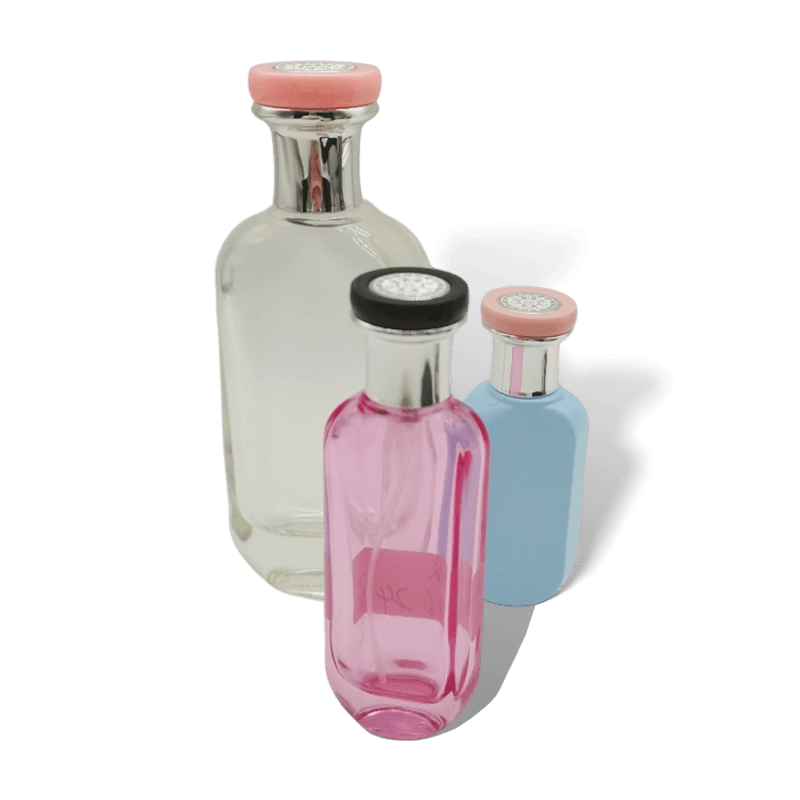 Recyclable Rectangular Glass Perfume Spray Bottle in 30ml, 50ml, and 100mlThis perfume bottle pairs a modern rectangular silhouette with soft macaron tones and a jewel-like cap, offering a luxurious yet approachable look. Its recyclable glass body supports refilling, matching the growing preference for durable, minimal packaging.View Product →
Glass remains one of the most trusted materials in this shift. Instead of complex multi-material constructions, designers are choosing simpler part counts, clearer recycling instructions and finishes that need no extra sleeve or overcap. The glass bottle carries the luxury feeling, while the pump and carton stay minimal. Refill behavior is also becoming normal in skincare routines: brands are pairing durable outer jars with replaceable inner cups, so the most beautiful part of the package lives for years rather than weeks.
Tactile Minimalism and Lightweight Luxury
Minimalism has not disappeared, but it has changed temperature. The 2026 edition is warm, dimensional and extremely tactile. Designers are pairing clean surfaces with frosted finishes, thick walled jars, soft touch plastics and subtle metallic accents. Analysts call it lightweight luxury: decoration is reduced, so the material must carry more of the expressive load.
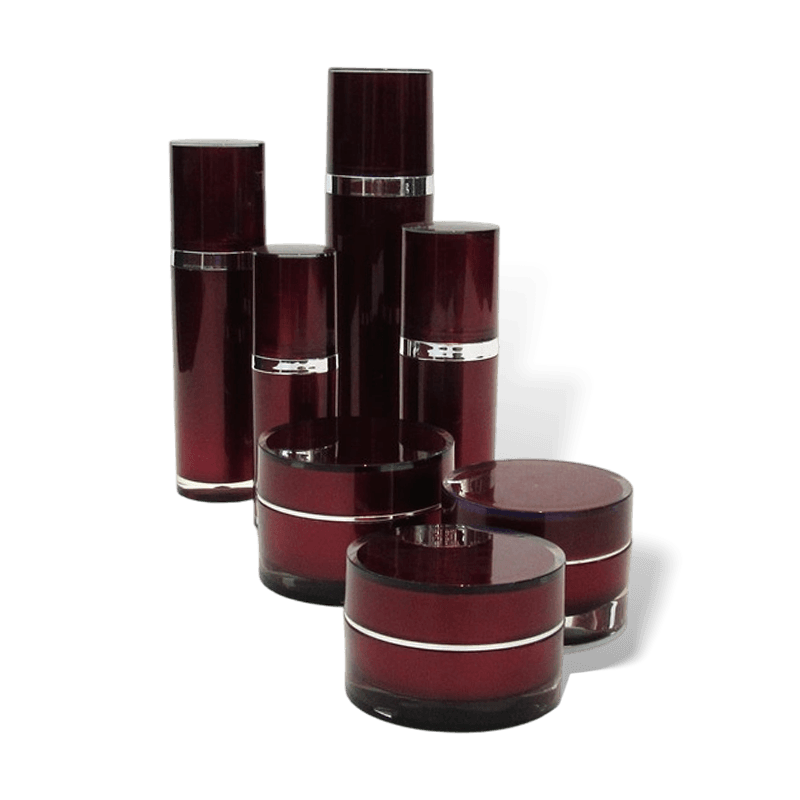 High-End Round Acrylic Cream Jar with Burgundy and Silver AccentsDesigned for minimalist skincare lines, this thick-walled acrylic jar features a deep burgundy double-layer finish and a slim silver ring, giving it a warm, tactile presence. Available in 15g, 30g, and 50g sizes, it balances visual weight with understated elegance.View Product →
An acrylic cream jar is a perfect canvas for this approach. Its clear, glass-like body can be tinted in soft whites, translucent pastels or deep jewel tones, and a generous wall thickness gives it a reassuring weight in the hand. The brand mark becomes a quiet signature rather than a loud announcement. The result is a package that photographs beautifully and feels even better before the product is opened.
Bold Color, Expressive Typography and the Chaos Look
At the opposite end of the spectrum, maximalism is having a strong year. Designers are using saturated dopamine colors, oversized display type, collage-style graphics and deliberately break-the-grid compositions. The chaos look is especially popular across indie beauty and Gen Z skincare brands, precisely because standing out in a crowded unboxing video matters more than quiet elegance.
The two directions are not as contradictory as they seem. Many brands keep the glass or plastic container neutral and restrained, then let the label carry the personality. The container becomes architecture; the graphics become artwork. This separation also gives marketing teams flexibility: the same jar can serve several limited editions by simply swapping the decoration.
Smart Packaging That Feels Invisible
Connected packaging has matured from gimmick into utility. QR codes on the base of a jar, NFC tags behind the label and short augmented-reality triggers on the carton can now deliver usage instructions, ingredient stories, refill reminders and authenticity checks without cluttering the design. In 2026 the winning approach is invisible technology: the digital layer is present but never announced until the consumer chooses to engage. For the package itself, the practical consequence is simple: surfaces need to accept clean printing and decoration, and closures must hold tags without breaking the visual line.
Heritage, Apothecary and Neo-Vintage
Nostalgia remains one of the strongest emotional levers in packaging design. The apothecary aesthetic, amber or clear glass, wide mouth jars, simple serif labels and details that recall a trusted old pharmacy, continues to gain ground in skincare. Neo-vintage perfume packaging reinterprets classic flacons with modern proportions and restrained ornament. These designs tell the consumer that the product inside is proven, slow made and worth a higher price.
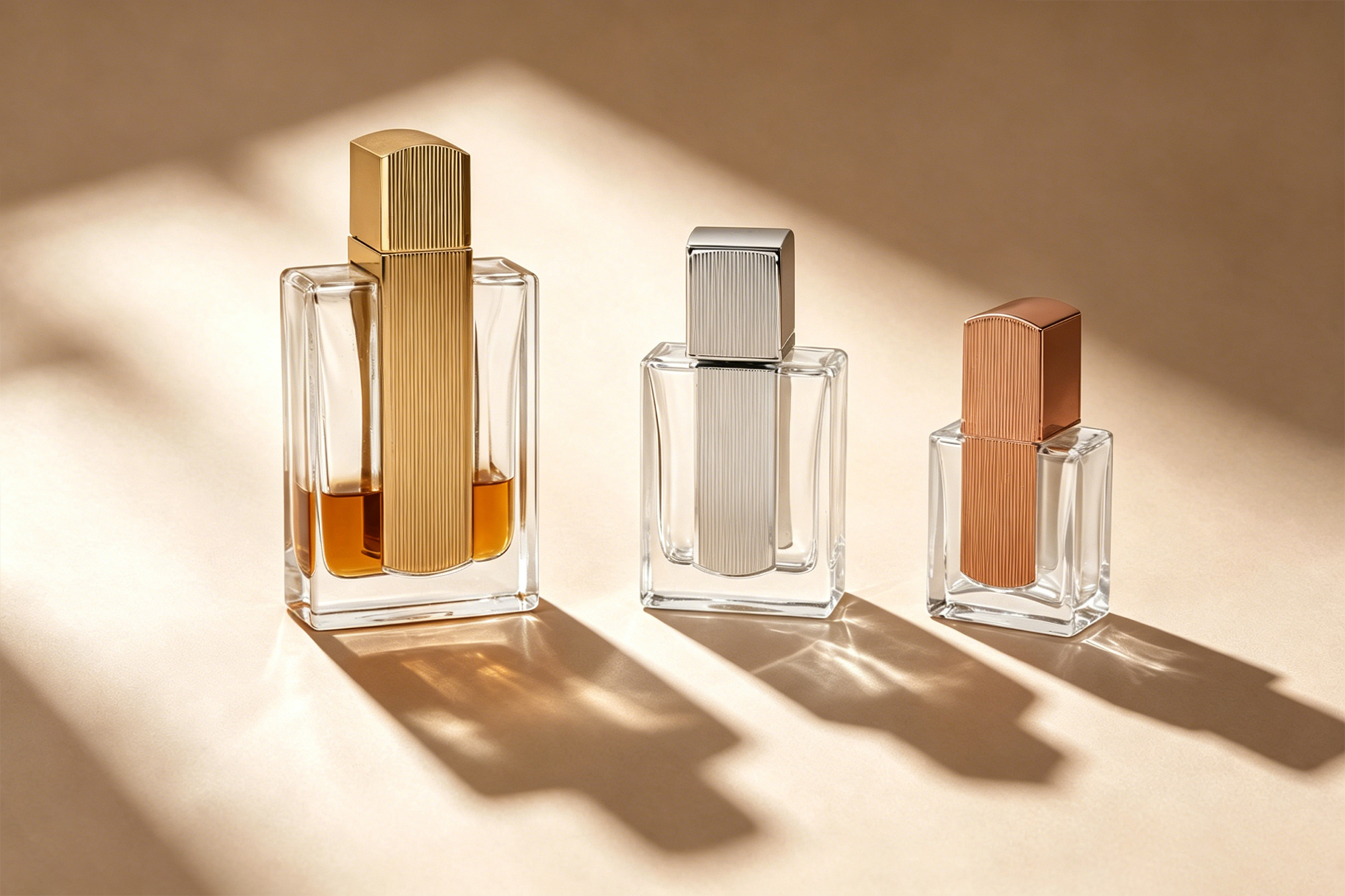
For fragrance brands, this trend favors round and rectangular glass bottles with timeless silhouettes, generous glass weight and caps that feel like jewelry. If you are developing a new scent line, the material language of the bottle often matters more than any single decorative detail. A closer look at our complete guide to perfume packaging types, materials and design trends can help you map the options before you commit to a mold.
Playful, Sculptural and Unconventional Shapes
The fastest way to earn attention in 2026 is still a form nobody else has on the shelf. Designers are moving away from generic rounds toward sculptural jars, asymmetrical bottles and containers that echo fruit, flowers and everyday objects. Playful shapes trigger an immediate emotional response and create a natural social media moment, especially in gift sets and limited collections.
 Rose-Shaped Creative Skincare Cream Jar in 10g and 30g SizesThis sculptural jar replicates layered rose petals in a glossy crimson finish, turning a daily cream container into a collectible object. Its distinctive mold and compact sizes make it ideal for limited editions or gift sets that stand out on the shelf.View Product →
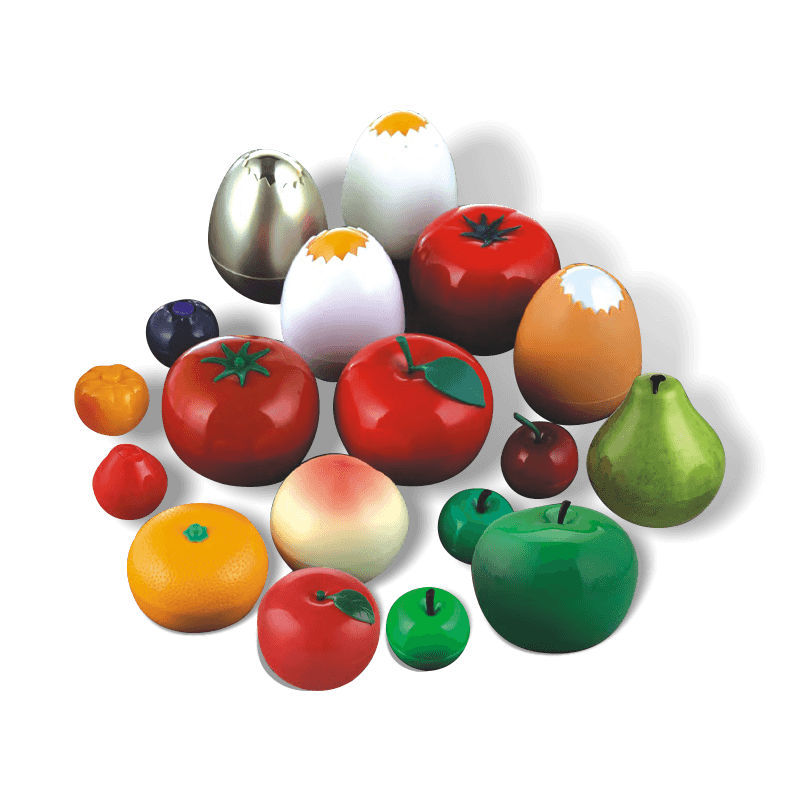
A rose-shaped or fruit-inspired cream jar is a strong example: the mold carries the entire brand story, so label design can stay minimal. Sculptural packaging also works well in small formats, where the consumer sees the whole object at one glance. The trade-off is cost, because original molds demand serious engineering experience. That is why custom mold development remains a core capability for packaging manufacturers that serve ambitious brands.
A Quick Reference for Your Next Brief
To help you translate these packaging design trends into a concrete request for your supplier, use the table below as a checklist.
| Trend | What It Looks Like | Packaging Priority |
|---|---|---|
| Structural sustainability | Refillable jars, monomaterial containers, clear recycling information | Durable bodies, replaceable cups, recyclable glass and PP containers |
| Tactile minimalism | Frosted finishes, thick walls, soft-touch surfaces | High-quality acrylic and PP jars with precise decoration |
| Bold graphics and chaos look | Saturated colors, expressive type, collage layouts | A neutral container that lets the label do the talking |
| Invisible smart packaging | QR codes, NFC tags, AR triggers | Print-friendly surfaces and decoration-friendly closures |
| Neo-vintage and apothecary | Amber and clear glass, classic flacons, serif labels | Elegant glass bottles and classic cap profiles |
| Sculptural and playful forms | Fruit, flower and object-inspired containers | Custom tooling and engineering support |
Turning Trends into a Package You Can Produce
Trends only become an advantage when they can be produced without surprises. That means choosing a partner who can handle the whole chain, from design and mold engineering to injection molding, blow molding, hot stamping printing and UV coating, under one roof. Before you commit to a packaging program, ask these questions:
- Can the supplier develop a custom mold, or recommend a standard mold already in production?
- Does the factory support the decoration techniques in your artwork, such as hot stamping, screen printing and UV coating?
- Can the material be adjusted for recycled content or monomaterial requirements?
- Are small-batch trials and product testing part of the quality process?
None of the 2026 packaging design trends demands an entirely new identity. Most are simply ways to make your existing product more relevant: lighter, more honest, more tactile and a little more surprising. Start with the format, refine the material, then let the graphics follow. If you would like to see how standard molds and custom options can come together, you can browse our complete range of cream jars, perfume bottles and sculptural containers, or talk to our engineers early in the project.
-
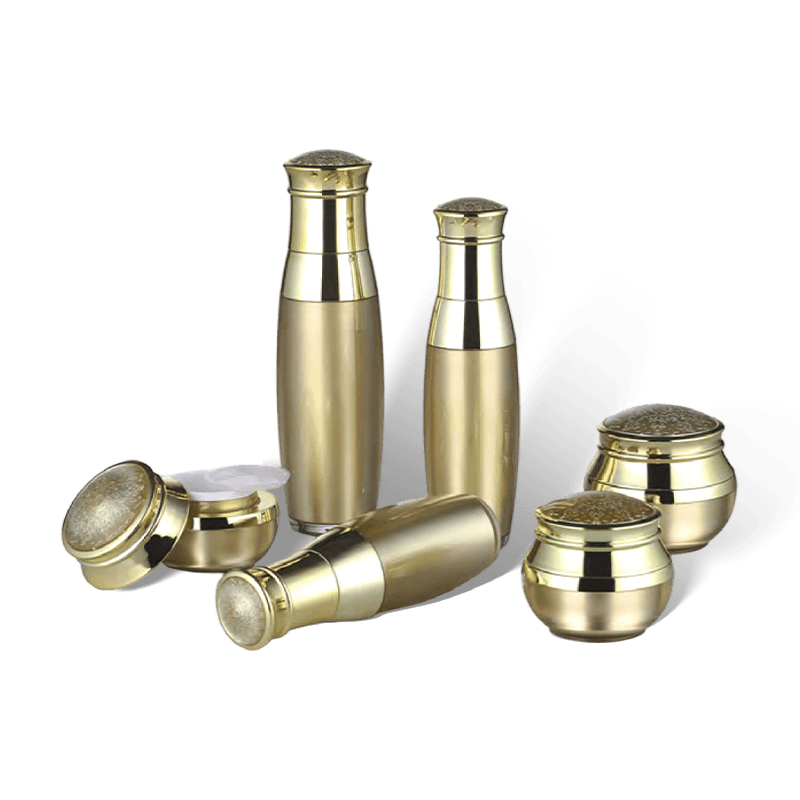 DP-A-021 50g/30g/20g Skin Whitening Cream Packaging Cosmetic Jars
-
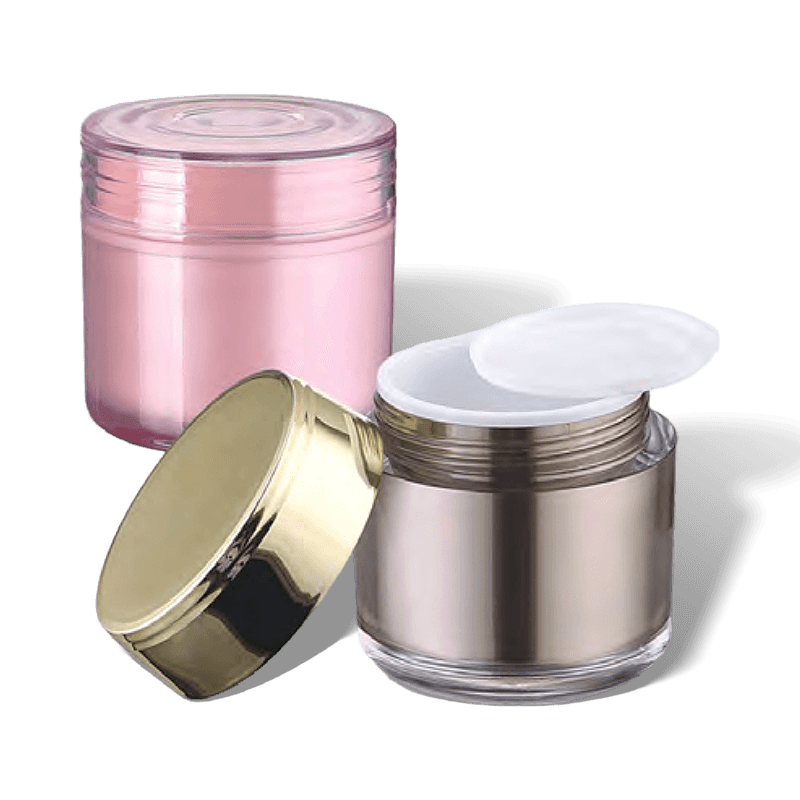 DP-A-009 Body Cream Jar 80ml Container 70ml Cosmetic Packaging Body Butter Plastic Jar
-
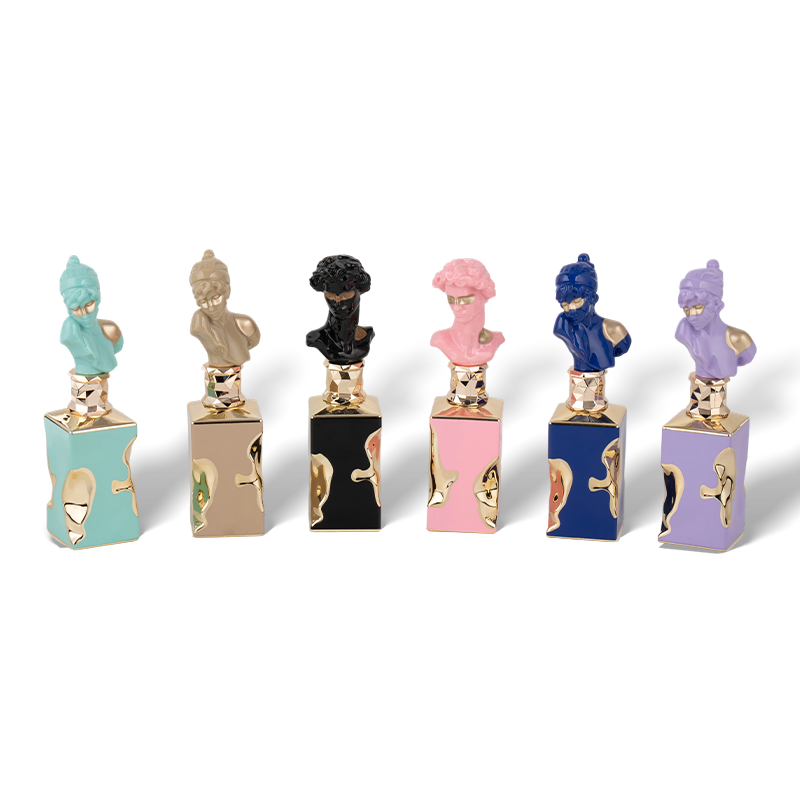 100ML Classic Elegance Glass Fragrance Container Bottle
-
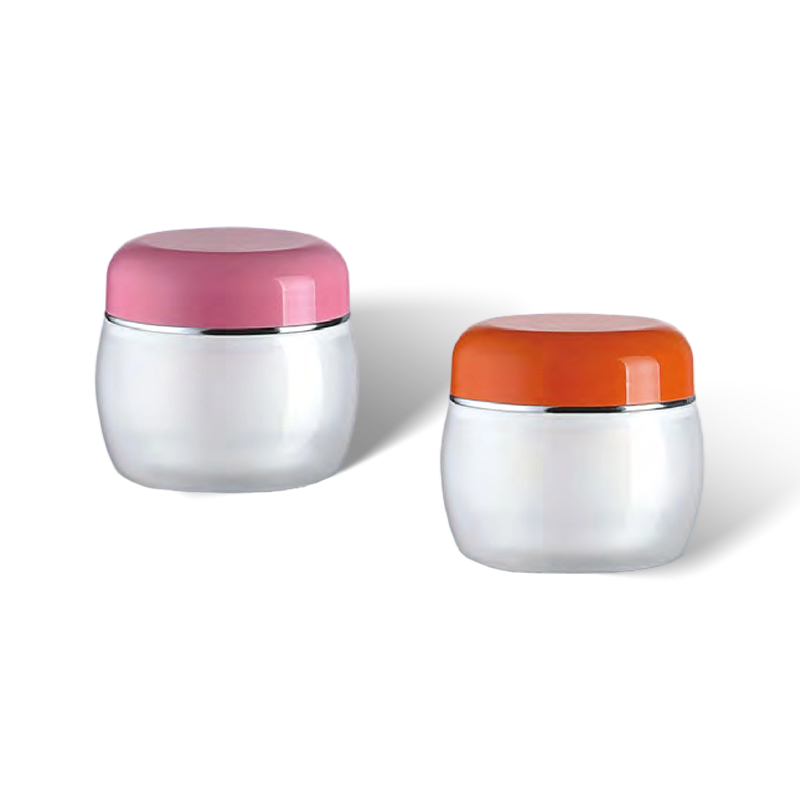 exquisite cosmetic skincare packaging bottle, 20g cosmetic container for children, small deluxe cosmetic jar
-
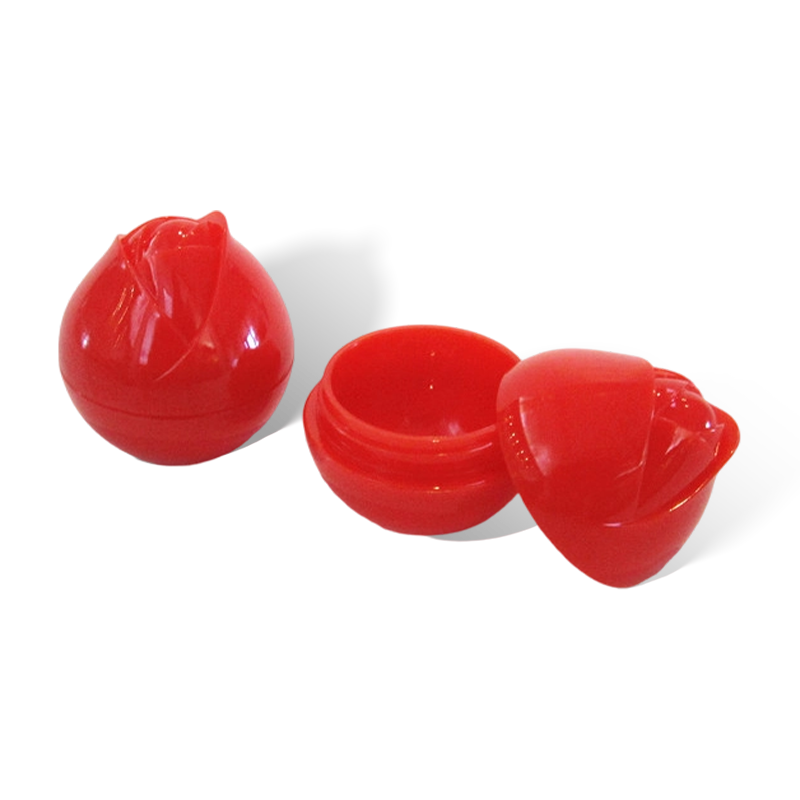 Rose-shaped creative skincare cream jar
-
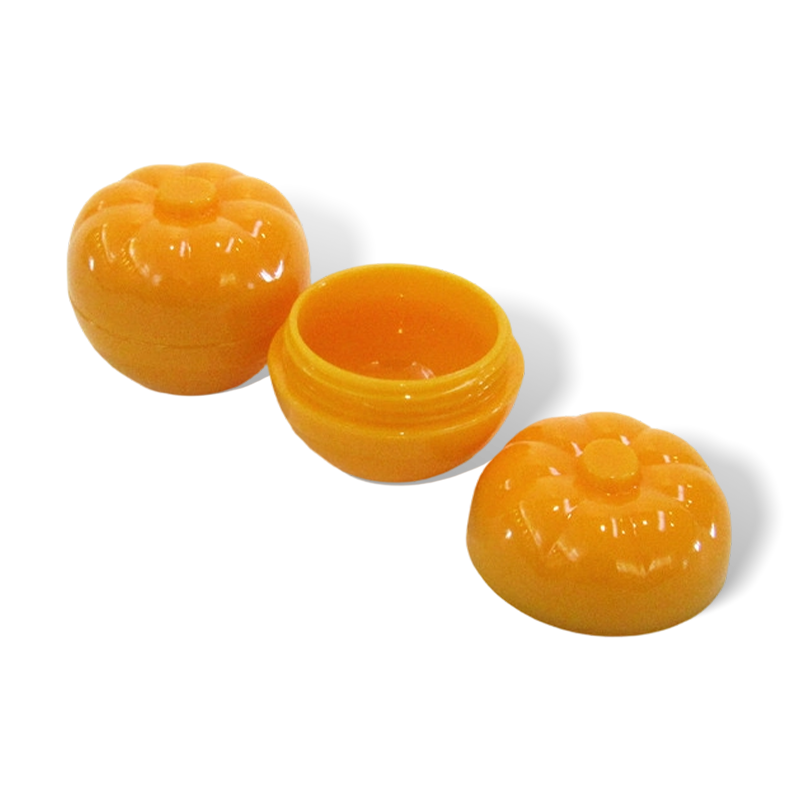 10ml pumpkin-shaped empty face cream jar packaging
- +86 13968274500
- +86 13764345885
- ysgl@vip.163.com
- No. 10-18, Gaoxiakeng, Dongputou Village, Zhangqi Town