English
 中文简体
 Français
 Español
 عربى



Cold Chain Efficiency for Cosmetics: Packaging Choices That Protect Your Supply Chain
Cold chain efficiency has become a top priority for cosmetics and personal care brands. As formulations grow more sophisticated, they increasingly rely on active ingredients that are sensitive to heat, light, moisture and oxygen. Vitamin C, retinol, peptides, probiotics and botanical extracts can all lose potency when temperature control is imperfect. Yet an efficient cold chain is not only about refrigeration and temperature monitoring. The primary package is an active partner in protecting product quality. Choosing the right plastic container can prevent spoilage, reduce breakage, simplify cold storage and help brands deliver stable, safe products from the filling line to the final consumer.
What Cold Chain Efficiency Means for Cosmetic Manufacturers
In the cosmetics industry, cold chain efficiency means maintaining product quality and safety throughout the entire temperature-controlled journey while minimising waste, energy use and operational cost. This covers raw material sourcing, filling, warehousing, transport, retail display and even consumer storage. Any weakness in the chain can lead to texture changes, discolouration, phase separation or microbial growth.
The financial consequences are real. A batch of cream that separates after a temperature excursion may need to be written off or reworked. A shipment of serum that arrives with degraded active ingredients can be rejected by retailers. These failures waste money, delay product launches and damage confidence in a brand's quality systems.
This is where packaging becomes strategically important. A carefully selected package slows the exchange between a formula and its environment. It buffers the product during short temperature fluctuations and protects it from physical damage. In effect, good packaging makes the rest of the cold chain more forgiving.
The Role of Primary Packaging in Temperature-Sensitive Supply Chains
Primary packaging is the first line of defence between a cosmetic formula and the outside world. For skincare products packed in jars and bottles, this defence must hold under challenging conditions: cold storage at two to eight degrees, condensation during transfer to warmer areas, and rough handling in warehouses and delivery vehicles.
Three packaging properties matter most. Airtight sealing prevents water loss and stops oxygen from reaching vulnerable ingredients. Barrier performance limits the movement of moisture vapour and volatile compounds. Mechanical strength ensures that containers survive stacking, vibration and the occasional drop. When all three are in place, the package supports the cold chain instead of undermining it.
Consider a face cream jar with a well-designed lid and sealing ring. It keeps the product fresh and stable even when moved between refrigerated and ambient environments many times. This is not a minor detail. In practice, many temperature-related quality complaints in cosmetics are actually packaging-related: the jar leaked, the lid loosened, or the container absorbed ambient moisture. Solving these small points early reduces total supply chain cost.
Plastic versus Glass in the Cold Chain
Glass has long been the default choice for premium skincare and fragrance packaging because of its heavy feel and excellent barrier properties. In a cold chain, however, glass presents serious operational challenges. It is heavy, which raises transport weight and cost. It is brittle, and low temperatures make it even more prone to cracking and shattering. When a glass jar breaks in a refrigerated warehouse, the result is product contamination, a cleanup operation and a lost order.
High-quality plastic containers offer comparable barrier performance with a fraction of the breakage risk. Materials such as polypropylene and acrylic are impact resistant, lightweight and chemically stable. They do not shatter when dropped, and they absorb the vibrations of long-distance transport far better than glass. This is particularly valuable for brands shipping temperature-sensitive creams, where the cost of a single broken jar is multiplied by the cost of cold storage and insured handling.
Acrylic jars are a strong example. They offer crystal clarity that rivals glass, while providing the impact resistance that cold chain operators need. For formulations such as anti-aging creams, which often contain fragile active ingredients, a robust acrylic container helps the product reach the retailer's shelf in the same condition it had when it left the factory.
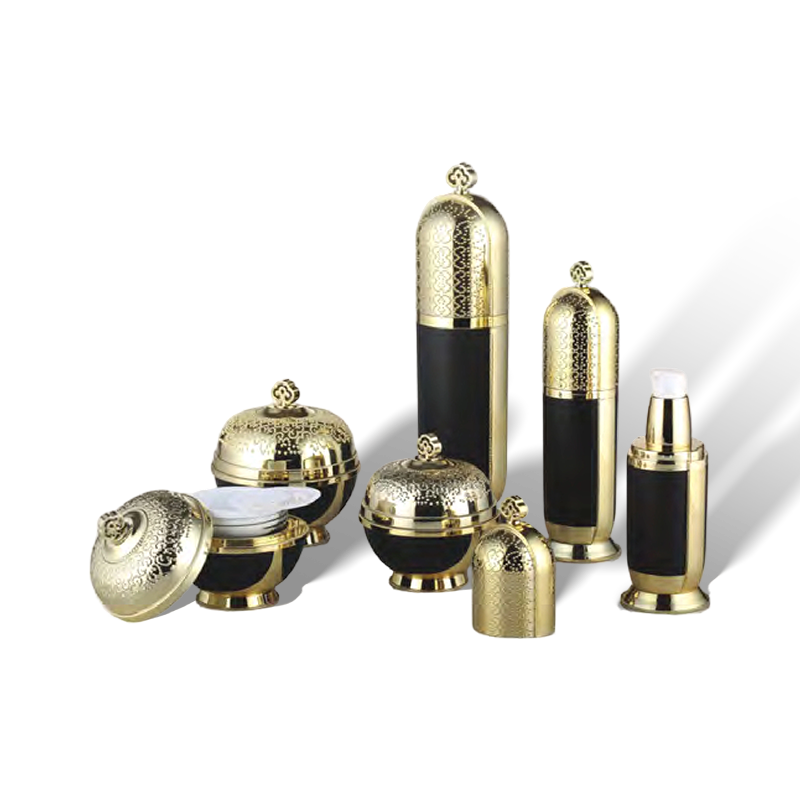 Crown-Embossed Acrylic Jars for Anti-Aging and Whitening CreamsThis acrylic jar line offers crystal clarity and impact resistance for cold chain transport. Its ornamental crown cap adds a premium, ceremonial feel, ideal for high-value creams that must arrive intact.View Product →
Packaging Attributes That Drive Cold Chain Efficiency
Not all plastic jars perform equally well in cold chain conditions. Packaging buyers should evaluate containers against a clear set of criteria. The following table summarises the attributes that make the biggest difference.
| Attribute | Cold Chain Risk Addressed | Efficiency Gain |
|---|---|---|
| Airtight seal | Moisture loss and oxidation | Longer shelf life, fewer rejects |
| Chemical resistance | Reaction between formula and container | Stable texture and fragrance |
| Impact resistance | Breakage and leakage during handling | Less product waste |
| UV protection | Light damage to sensitive actives | Preserved product efficacy |
| Lightweight design | High freight weight and emissions | Lower logistics cost |
| Consistent dimensions | Difficult palletising and cold storage | Faster handling and denser loads |
The table highlights an important point: efficiency is not a single feature but a combination of design choices. A jar that seals perfectly but breaks easily is still a liability. A lightweight bottle that cannot withstand its formula is worse than useless. The best packaging balances all of these attributes, and that balance is what allows a cold chain to run without costly disruptions.
For moisturising creams and other daily-use skincare products, containers that combine secure closing with clean and simple design are especially effective. A well-made acrylic cream jar keeps the formula protected while preserving a premium look, which means fewer rejected units and more satisfied retail partners.
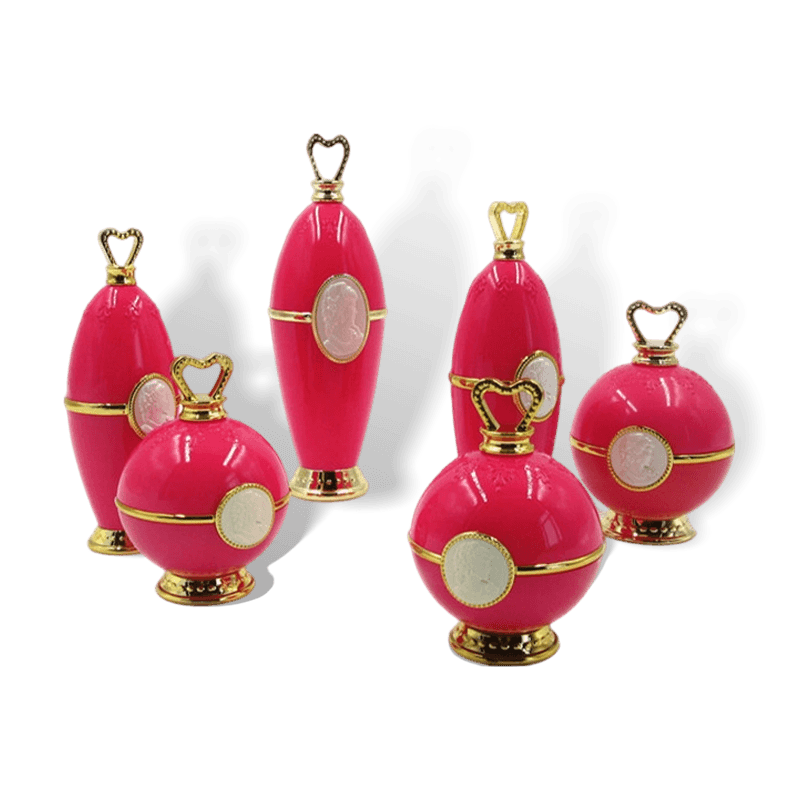 Heart-Shaped Cap Acrylic Cream Jars for Moisturizing FormulasThese acrylic jars combine secure closure with a romantic, artistic design, featuring a heart-shaped crown cap and cameo relief. They protect moisturizing creams during cold chain logistics while enhancing shelf appeal.View Product →
Practical Guidance for Selecting Cold-Chain-Ready Packaging
Brands that want to improve cold chain efficiency should treat packaging selection as part of supply chain design. The following steps provide a practical starting point.
- Define the product's temperature sensitivity early, so packaging requirements are set before moulds are designed.
- Choose materials that remain stable at the lowest temperature your product may experience.
- Specify a sealing system that can withstand pressure changes during temperature swings.
- Test the complete package under realistic cold chain conditions, including vibration and drop tests.
- Select standard sizes where possible, to improve palletisation and cold room capacity utilisation.
- Work with a supplier that provides consistent quality and supports custom mould development when needed.
For a deeper look, our guide on which plastic cosmetic jar material and format is right for your product explains how to match container choices to your cold chain requirements.
Building an Efficient Cold Chain with the Right Packaging Partner
Cold chain efficiency is ultimately achieved through collaboration. A packaging supplier that understands temperature-controlled logistics can make a meaningful difference to your reject rate, transport cost and brand reputation. At DEPRAG Plastic Products, we bring in-house mould making, injection moulding and blow moulding capabilities to every project, and we can adjust a design to improve sealing, reduce weight or optimise wall thickness for cold temperature performance.
It is also wise to validate the package with the actual formula and the actual distribution route. Ask hard questions during development. Does the lid seal reliably at two degrees? Will the label survive condensation? Can the jar withstand stacking under refrigeration? A good supplier will answer these questions and suggest practical improvements to the design.
PP jars, in particular, are a reliable workhorse for temperature-sensitive skincare. Their light weight, chemical resistance and low cost per unit make them attractive for high-volume products that move through cold chains in large quantities. With modern decoration techniques, PP packaging can also deliver a quality look that supports premium positioning.
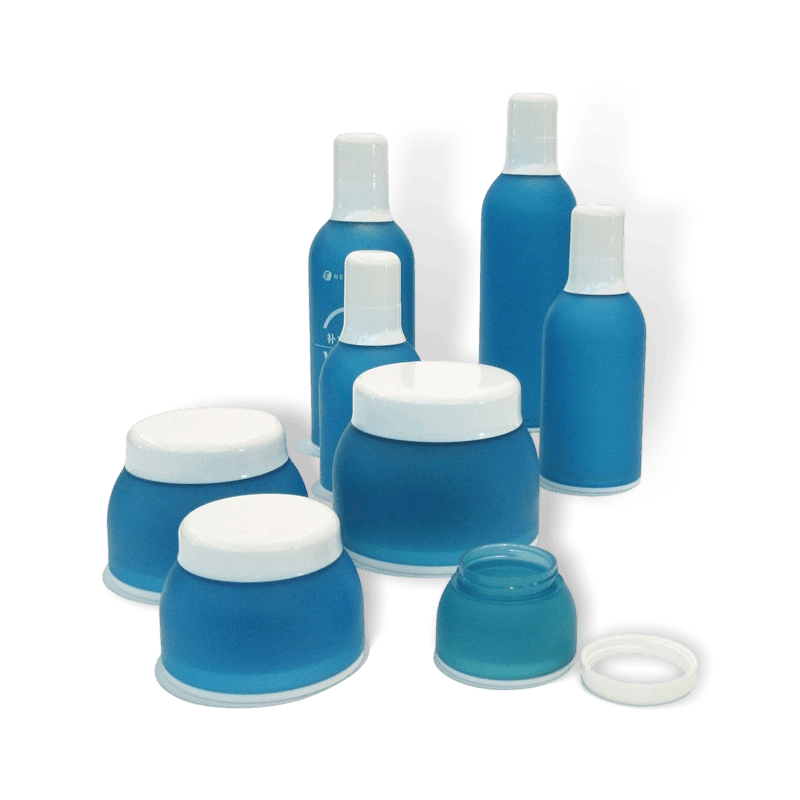 Frosted Blue Round PP Jars and Bottles for Hydrating SkincareThis PP packaging series provides a light, chemical-resistant option for high-volume cold chain products. Its velvet-like frosted finish and refreshing blue color convey a cool, professional hydrating image without glass fragility.View Product →
If you are planning to optimise your cold chain packaging, explore our full range of cosmetic packaging solutions or contact our technical team to discuss your project.
Cold chain efficiency is not achieved by temperature alone. It is the result of careful choices across the entire supply chain, and primary packaging plays a central role. Plastic containers that seal properly, resist impact and protect temperature-sensitive formulations reduce waste, lower costs and build consumer trust. By selecting the right jar, bottle and closure, brands can make their cold chain more resilient, more sustainable and more profitable.
-
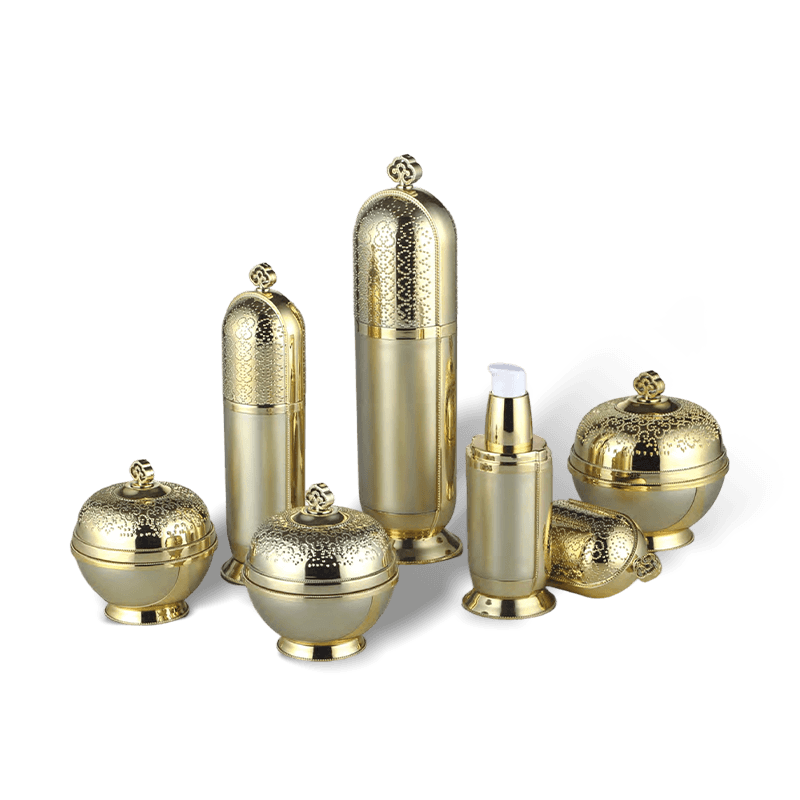 DP-A-018 Acrylic jars for whitening and anti-aging cosmetic creams
-
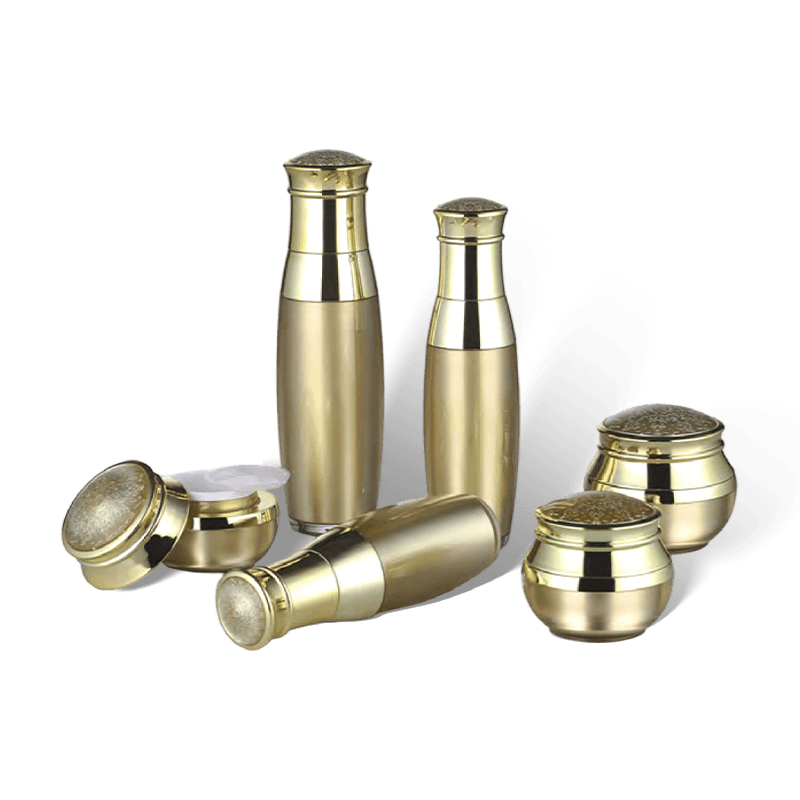 DP-A-021 50g/30g/20g Skin Whitening Cream Packaging Cosmetic Jars
-
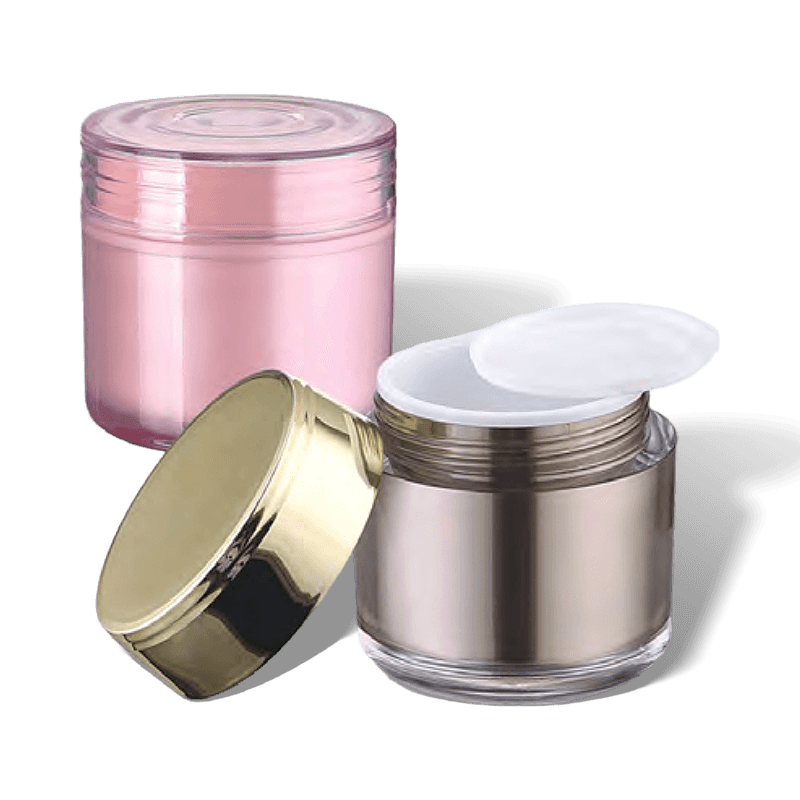 DP-A-009 Body Cream Jar 80ml Container 70ml Cosmetic Packaging Body Butter Plastic Jar
-
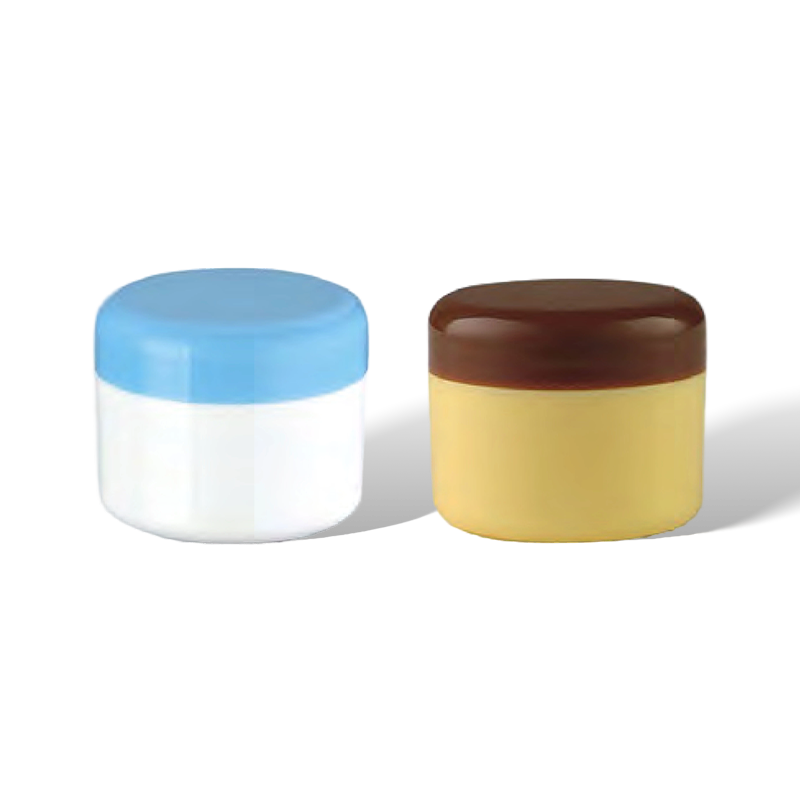 1oz 30g empty PP plastic cream jars for skincare
-
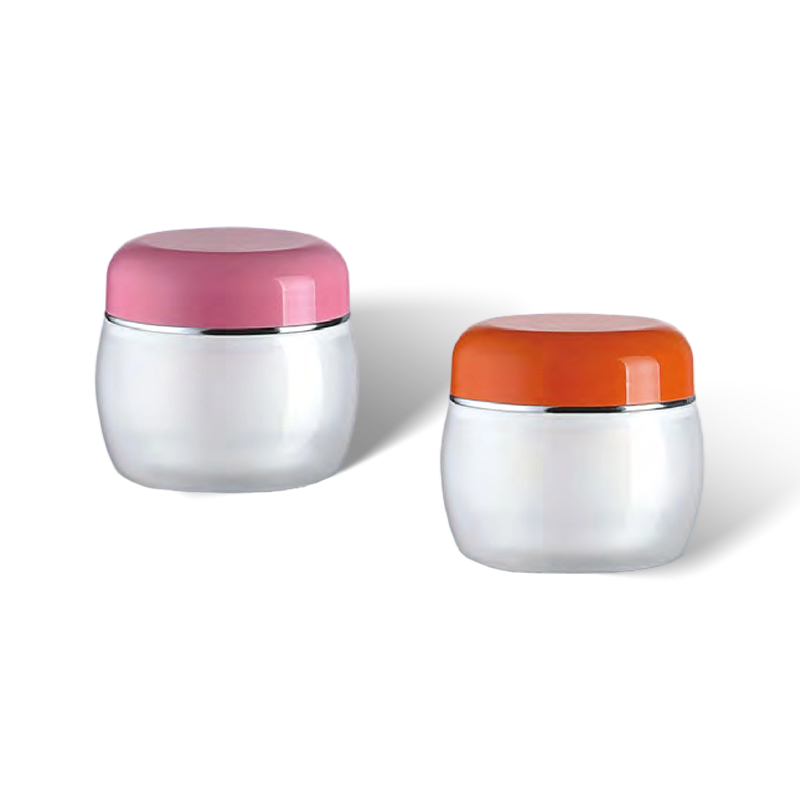 exquisite cosmetic skincare packaging bottle, 20g cosmetic container for children, small deluxe cosmetic jar
-
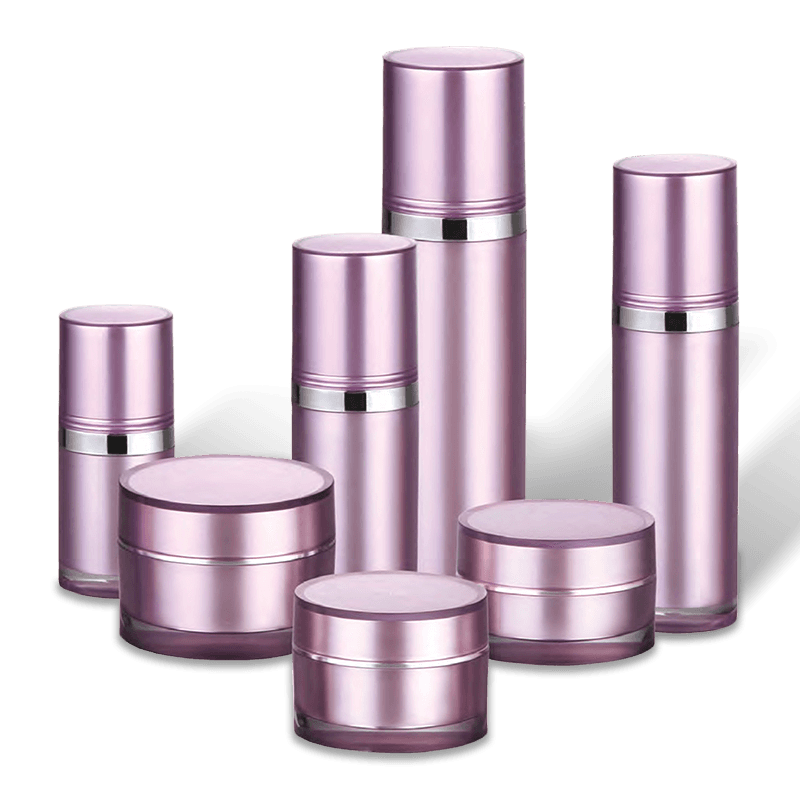 DP-A-002 High-end 15g/30g/50g round empty cosmetic cream jar packaging
- +86 13968274500
- +86 13764345885
- ysgl@vip.163.com
- No. 10-18, Gaoxiakeng, Dongputou Village, Zhangqi Town